October 5, 2026 Awards


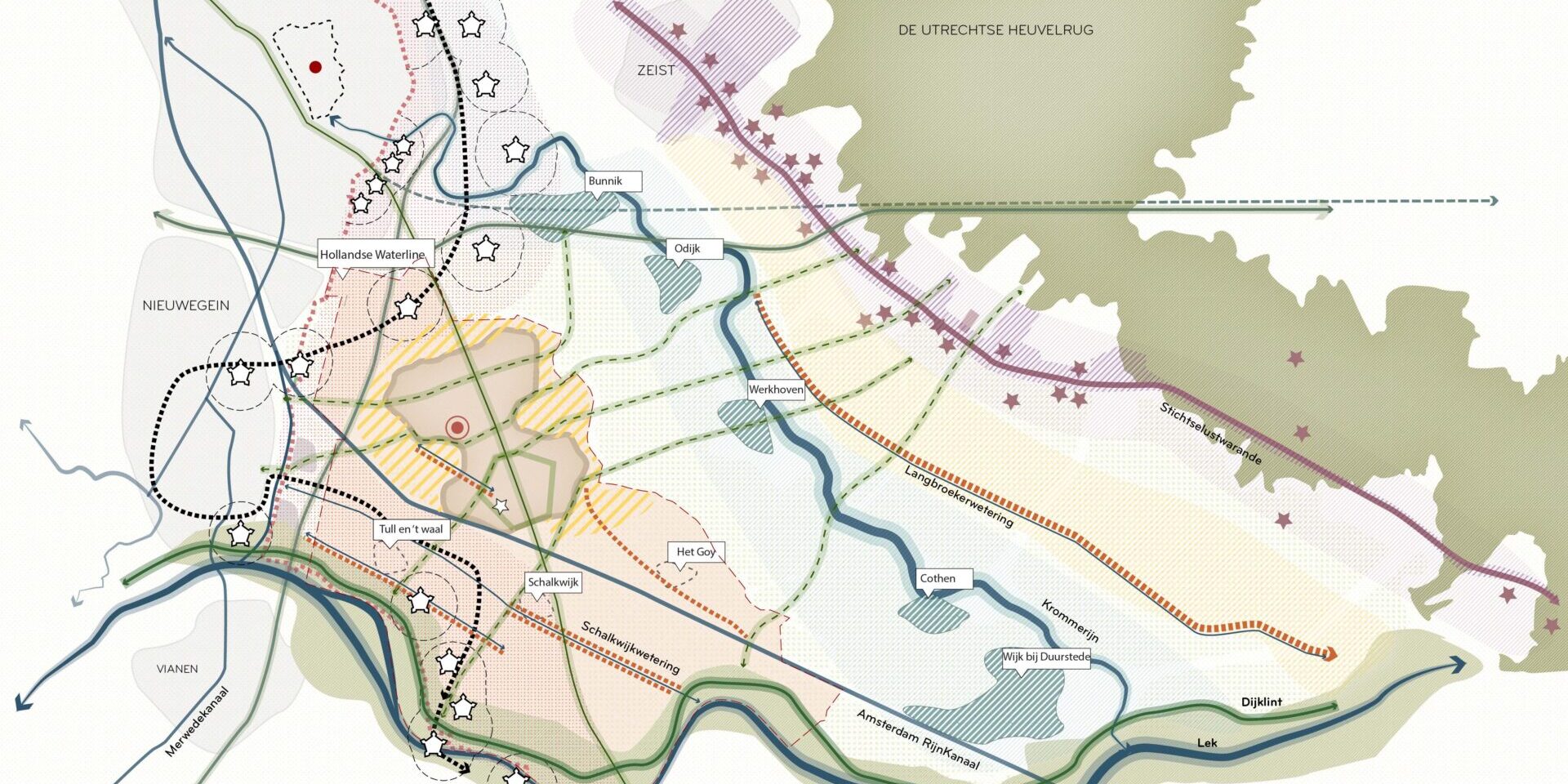
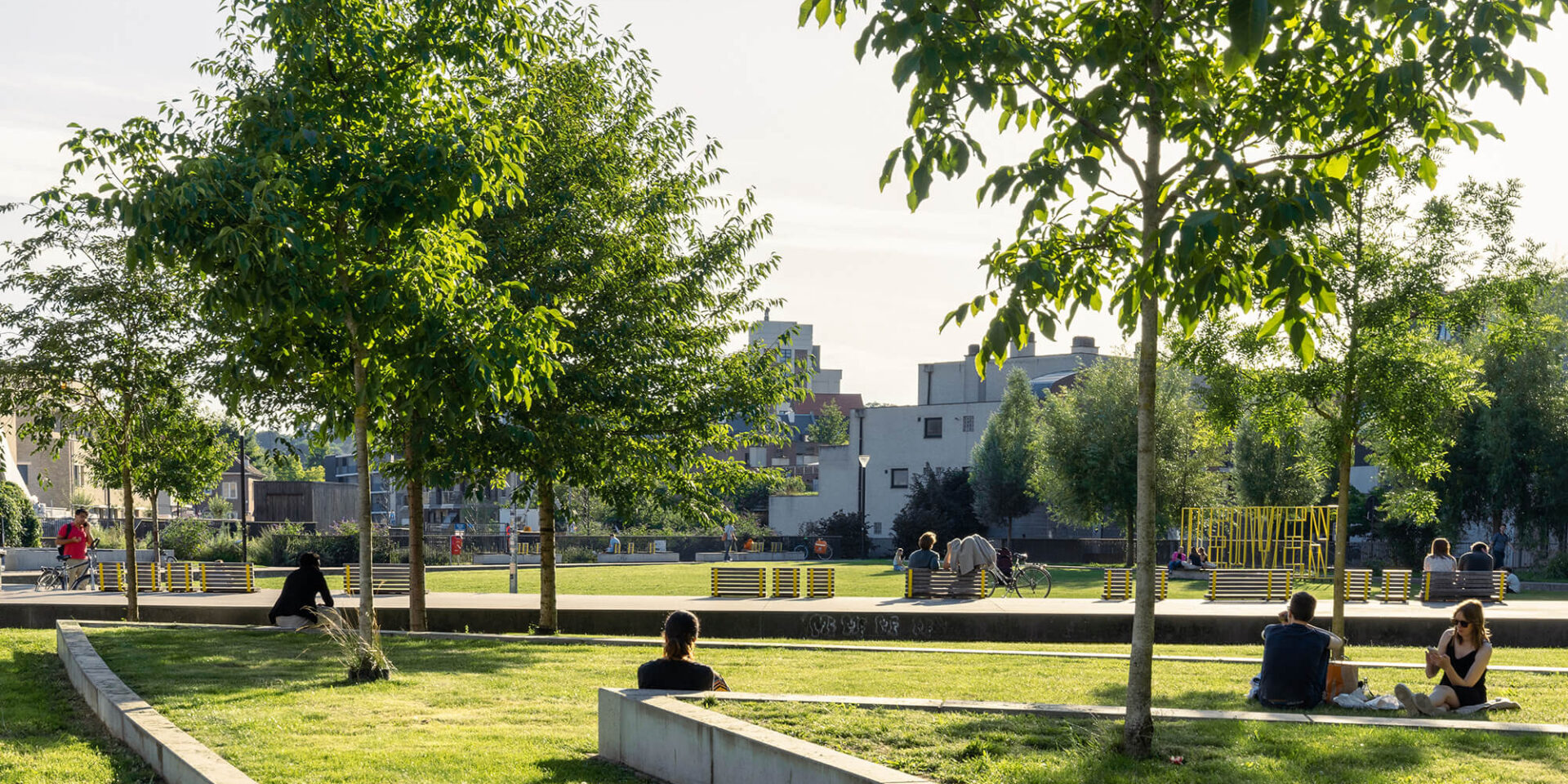

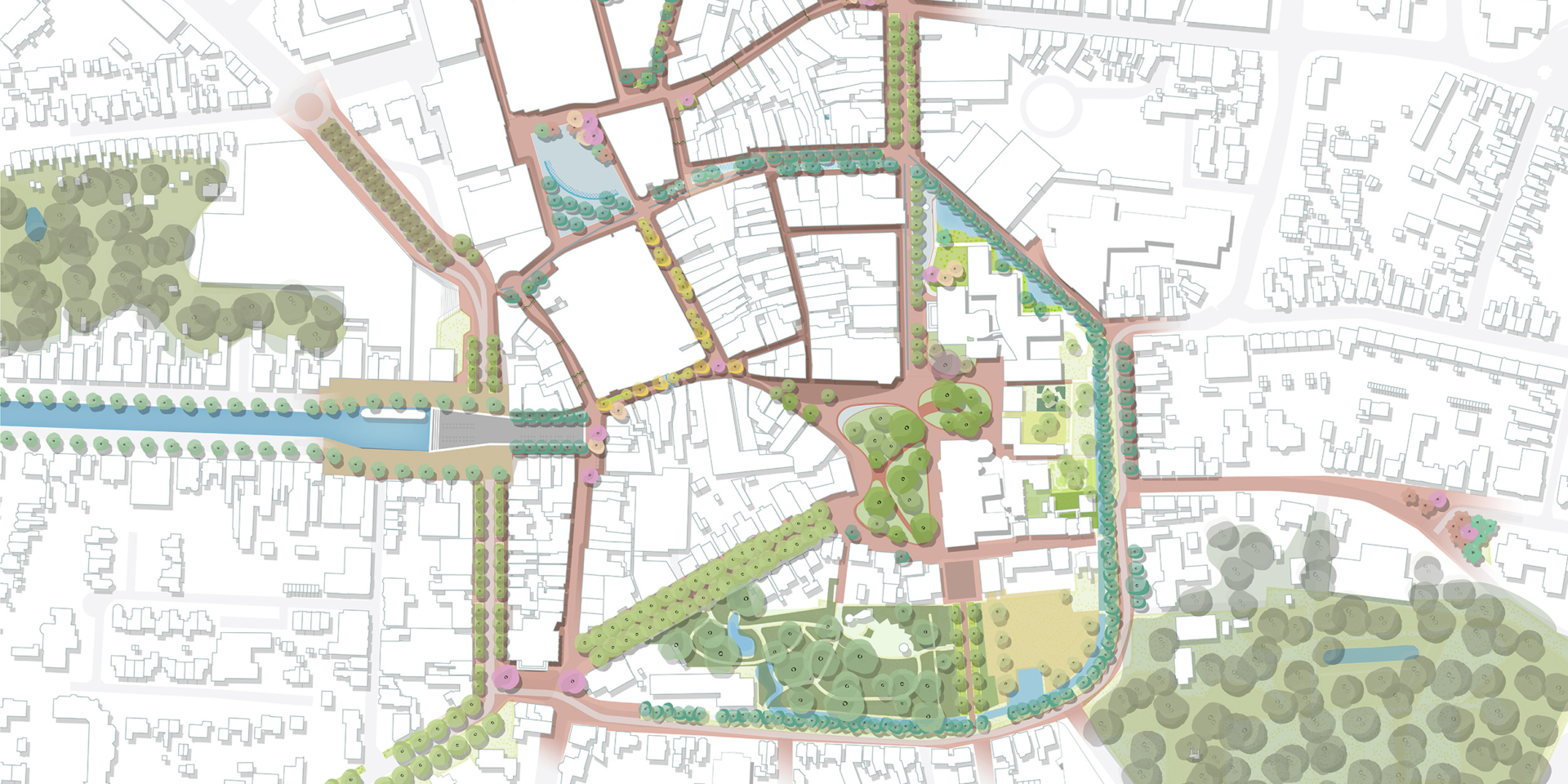
Commissioned by the municipality of Assen, we developed a plan for the renewal of the public space for the inner city. In a guiding document, the municipality’s ambitions for an attractive, inclusive, and climate-proof city centre were developed into attractive, elaborate, and smart design principles. For the first five shopping streets, these principles have been translated into concrete design plans that will be implemented in the upcoming years.


As the most prominent open space along the station area, it constantly changed in the 20th century according to the needs of the area, from bus station to bicycle parking. These adjustments, in which space was constantly taken away, resulted in a messy square without coherence or clarity. The challenge was to create a welcoming entrance to the new urban development at the westside of the station, preserving flexibility, though also an inviting place to stay.
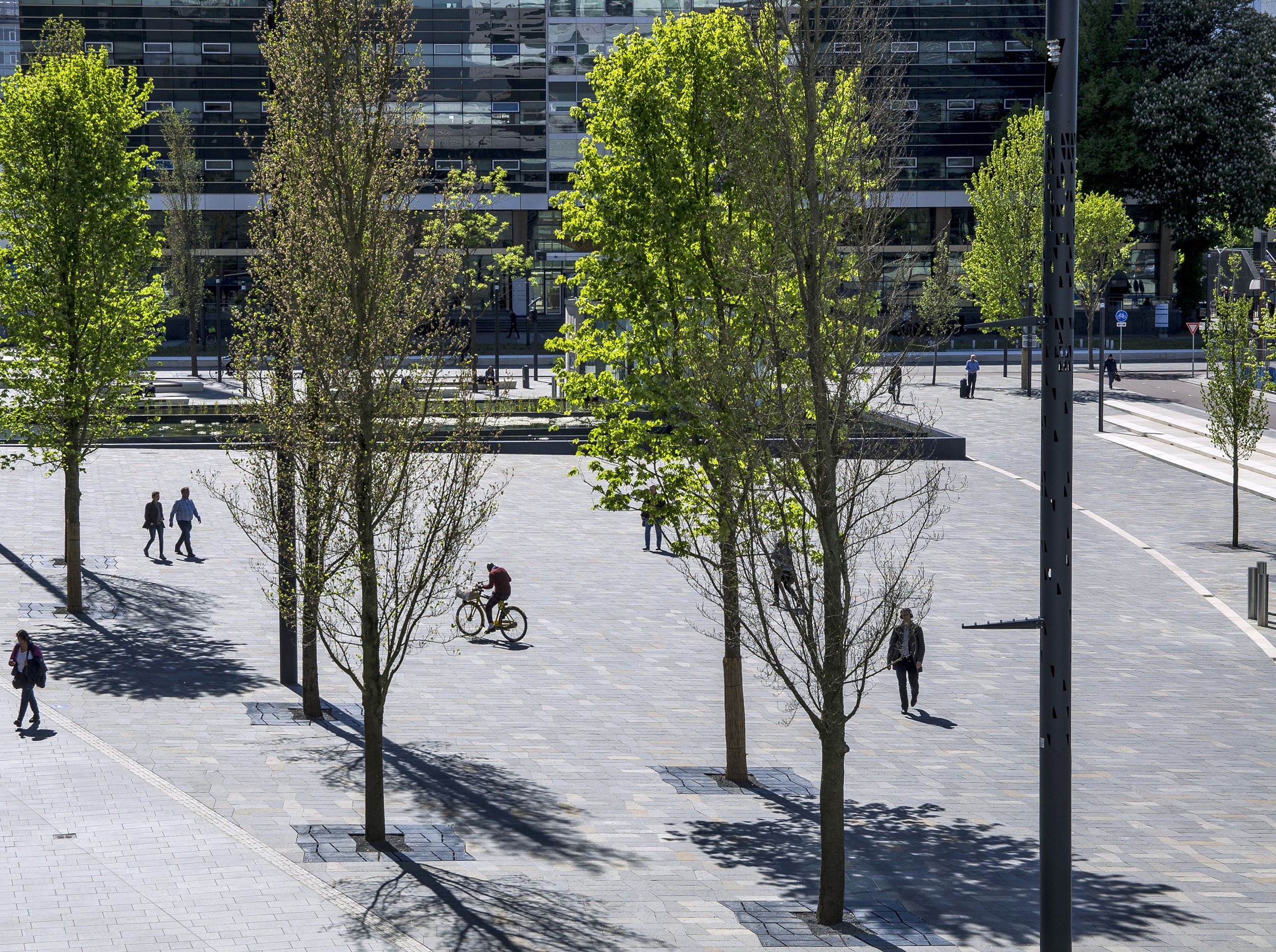
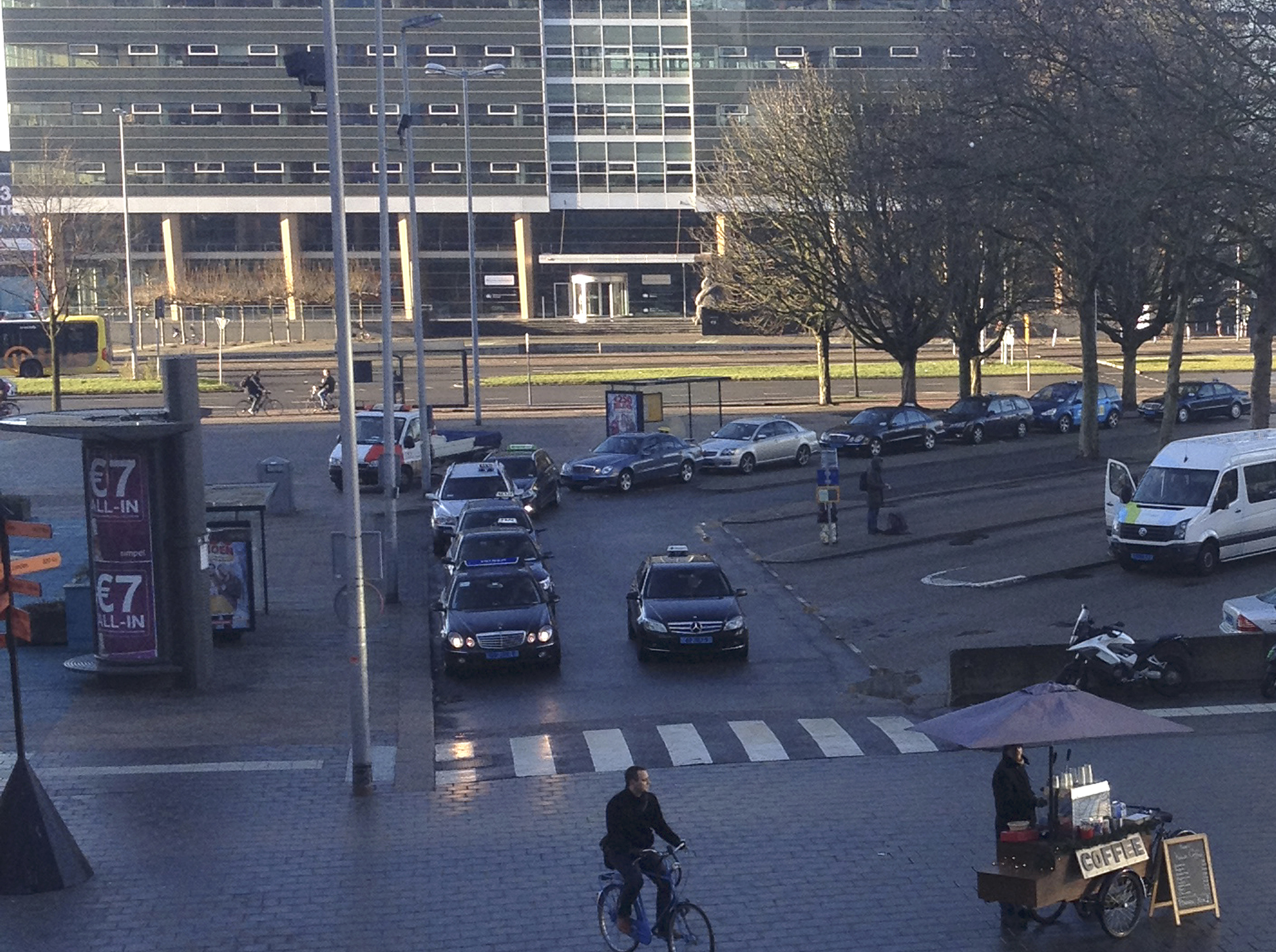

As the station area is in constant flux, with ongoing construction projects over decades, it was important that the square itself provides a constant and resting point in the public realm. This extra challenge, ensuring that after the completion of the square it would allow major changes in the buildings on several sides, required strategic solutions. Furthermore, the square connects to other open spaces such as the entrance and former parking lot of the Jaarbeurs and the busy Graadt van Roggeweg. Bringing that the quality of public space at all stages of the development to the square would function as a catalyst for the development of the wider area.
On and around the new Jaarbeursplein square everything is extra-large (XL). This can even be applied to the use of the square: it too is XL. The design of the square was orchestrating for various situations. The square accommodates for large flows of pedestrians, cyclists, and major events in the city. It is an event square, though at the same time, the place also had to acquire residential quality as an anchor point for the upgrade of the entire western station area. We envisioned a concept that aims to achieve a welcoming human scale within this XL environment, creating a lively and socially safe square.


The square is designed with a set of long, low steps that connect and define the space, providing a pleasant place out of the wind and in the sun. These steps also serve to separate pedestrians and cyclists, creating a clear division between paved and green areas, and spaces for transitions and places to stay.
The square will have a robust assortment of trees planted, with a variety of species creating variety through the seasons. The trees give both a sense of scale and of diversity throughout the seasons, as well as provide a vertical accent that further integrates the square with the surrounding high-rise. Additionally, they connect the square atmosphere to the experience of Croeselaan and the city canals, both with a similar focus on trees.
The combination of flexibility, sustainability and appearance make it an attractive square for events. It is now the second area we designed to serve as the starting point for the Tour de France. Various new construction projects are currently being realised on the Jaarbeurs side, strengthening the position of the square as the heart and entrance of the renovated city district. Additionally, the area on the north side, where a parking garage used to be, will soon be redeveloped.


