October 5, 2026 Awards

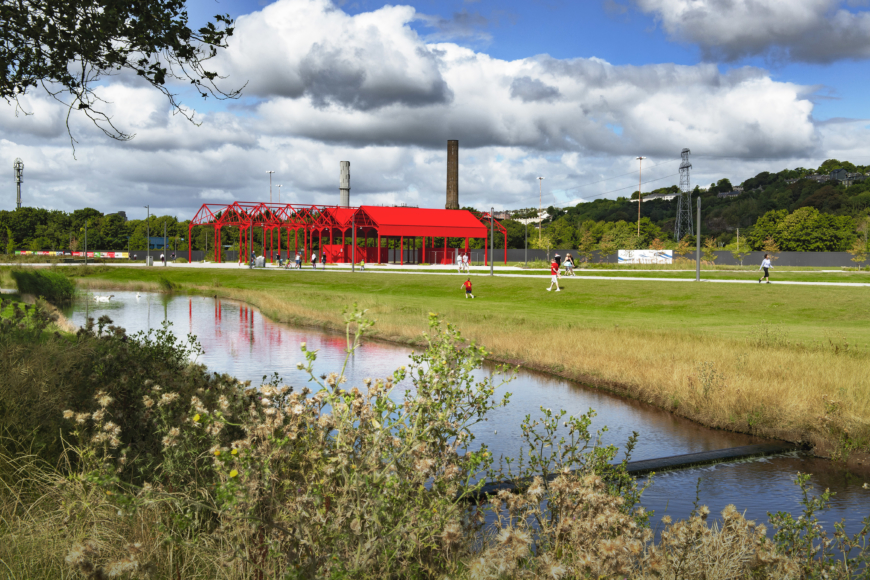
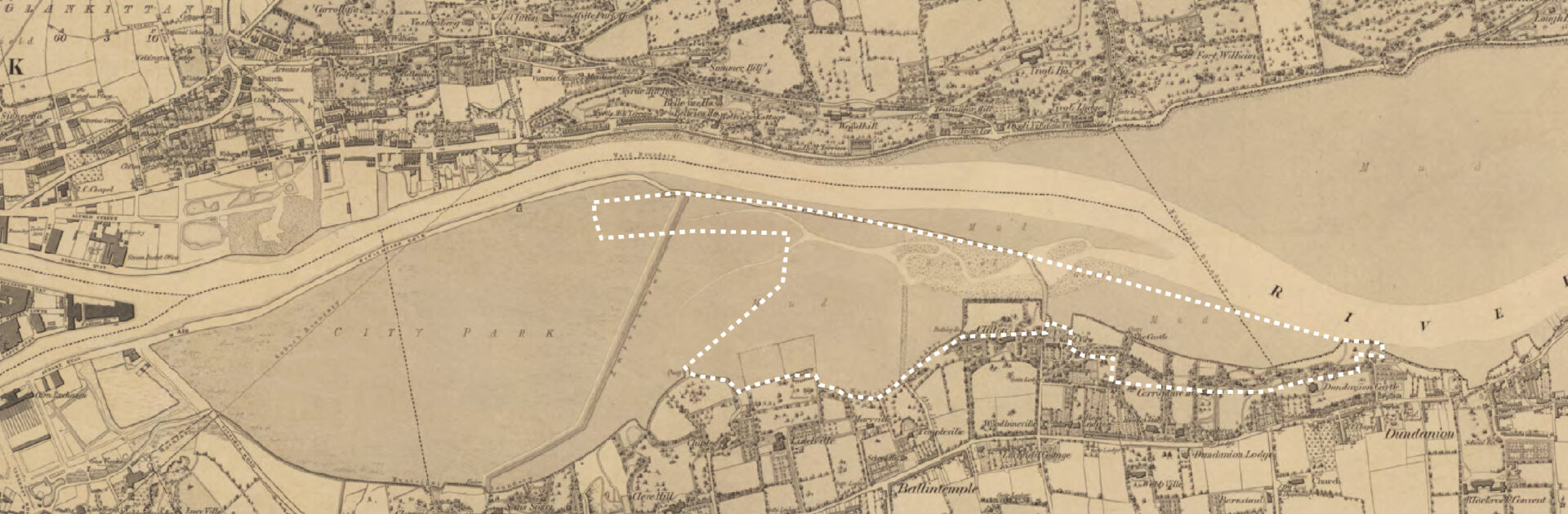
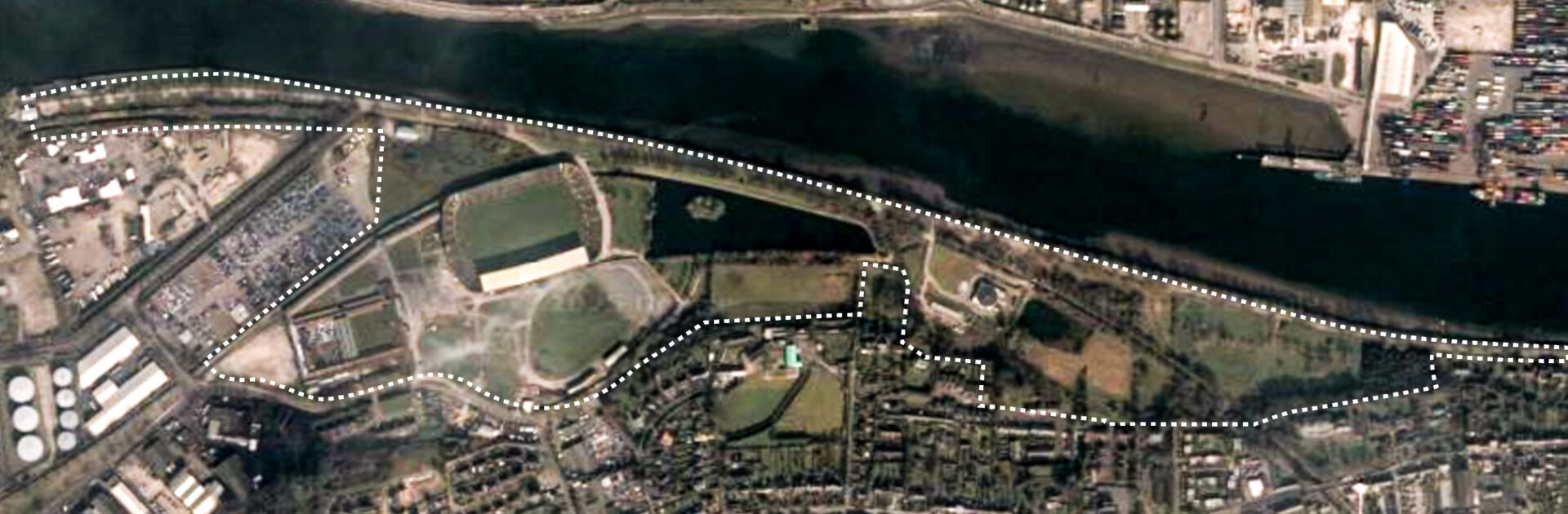
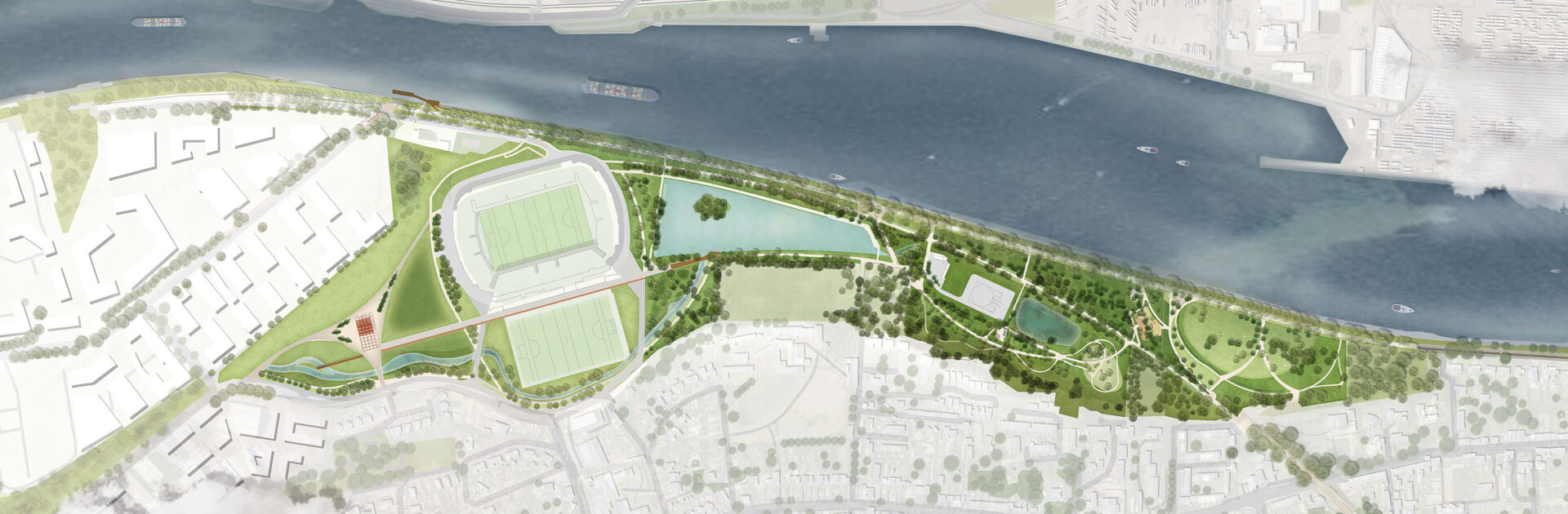
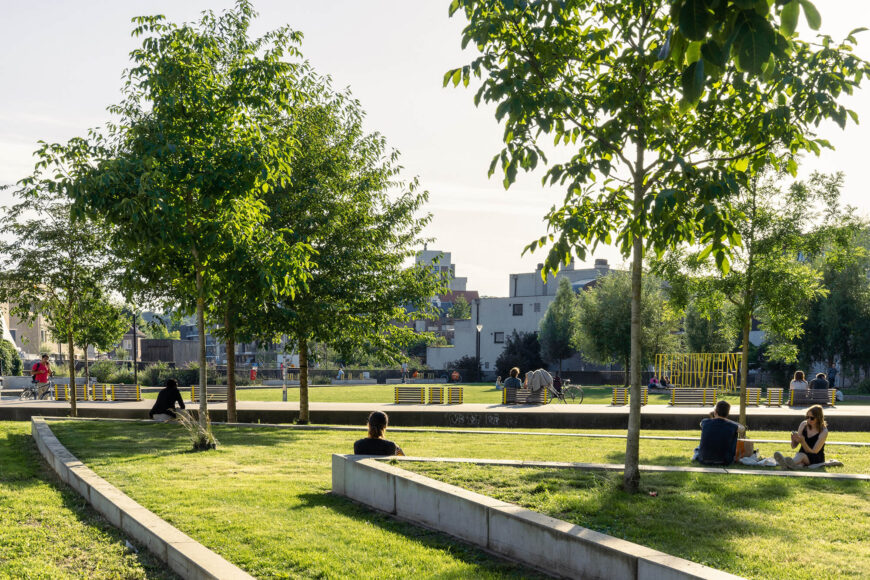
The park is designed on a former brownfield site comprising mostly derelict show ground buildings, a Gaelic sports stadium, and a run-down natural zone. This diverse and complex setting created a challenging context for crafting a well-planned and cohesive park. Based on our overall vision, the park is realised in distinct phases, resulting in a large, diverse but coherent environment for the city.
In our plan, the park plays a vital role in managing storm water runoff, not only within the park but also for the surrounding residential areas, and future dockland development. It presents a landscape-oriented solution for urban adaptation, developing a “sponge park” concept that accommodates the temporary storage of increased or extreme rainfall events and rising sea levels.
Water becomes the backbone of the park, harmoniously integrating natural wetland areas with social gathering and event spaces. Our integrated approach to landscape, water engineering, and cultural heritage results in a well-balanced park that transforms the contextual challenges of temporary water storage into one of the park’s stand out features.
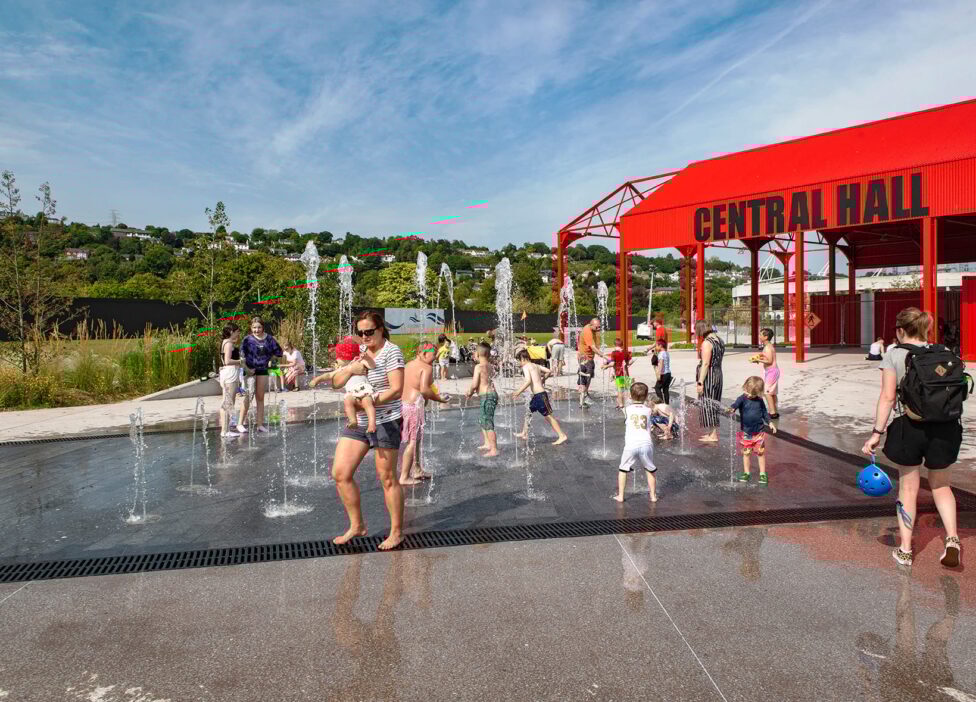
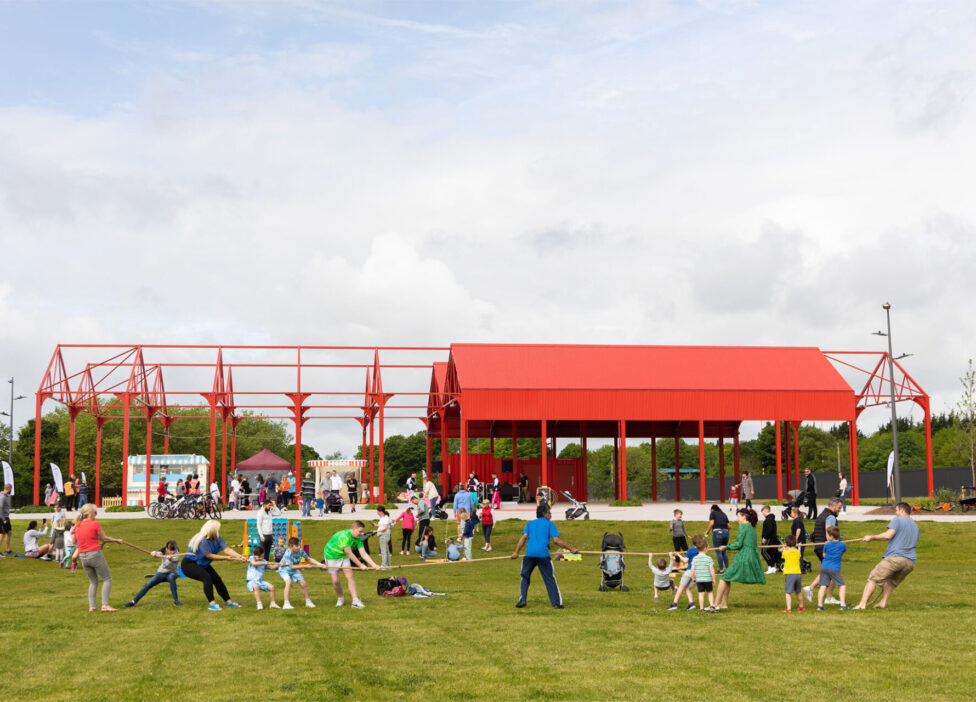
The most urban and multifunctional part of the park has been put into use. Here, the park gracefully embraces the renovated Gaelic sports stadium, extending the space for events and matches. Where the various entrances to the park converge, a new striking pavilion stands. The ‘Central Hall’ re-purposes structures from the former exhibition grounds and houses a coffee bar. Additionally, the strong connection between the square and water is made accessible to visitors with a striking water feature. A grid of fountains creates a creative play object as an attractive meeting point in the park.

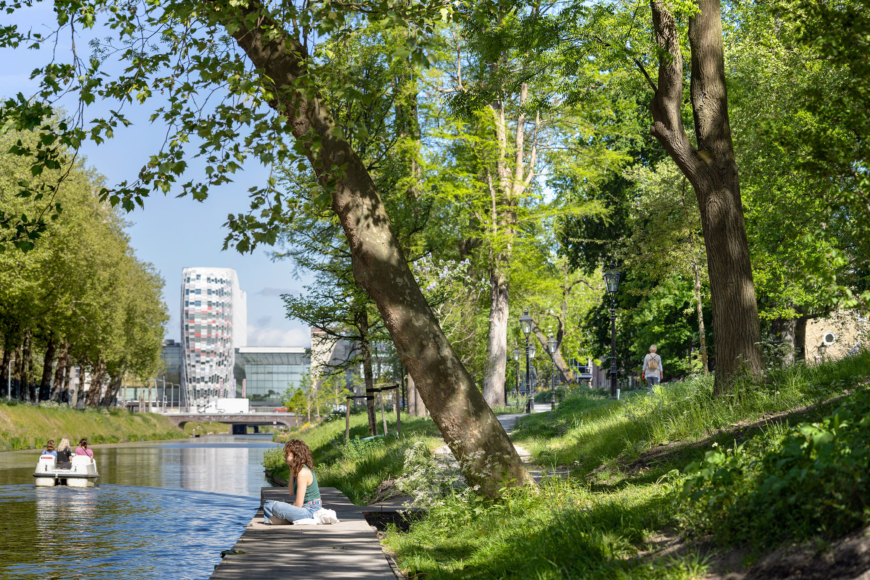
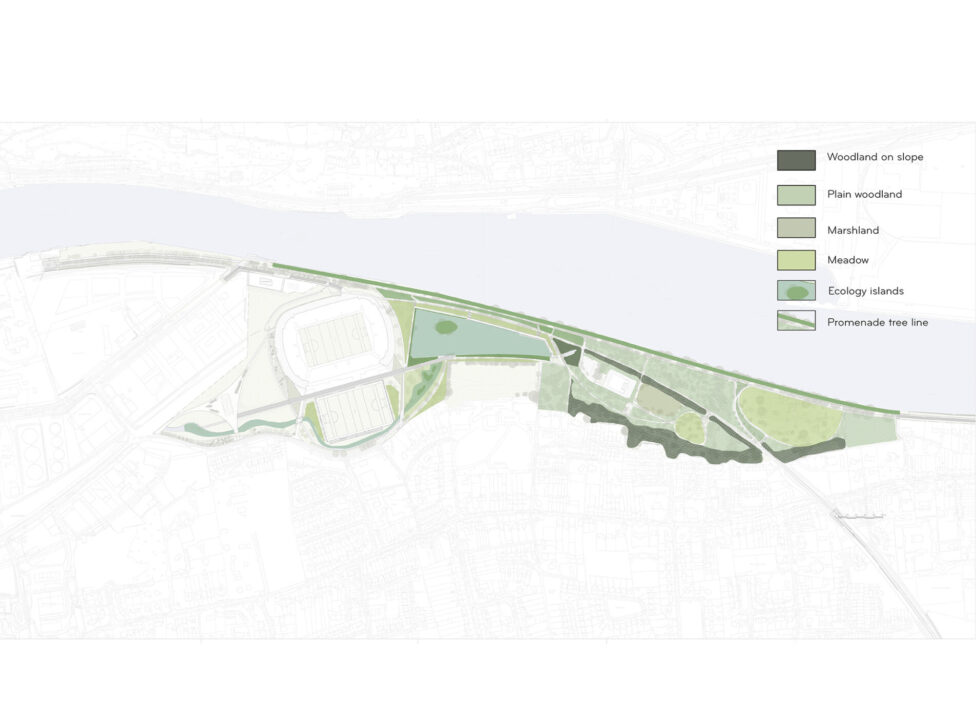
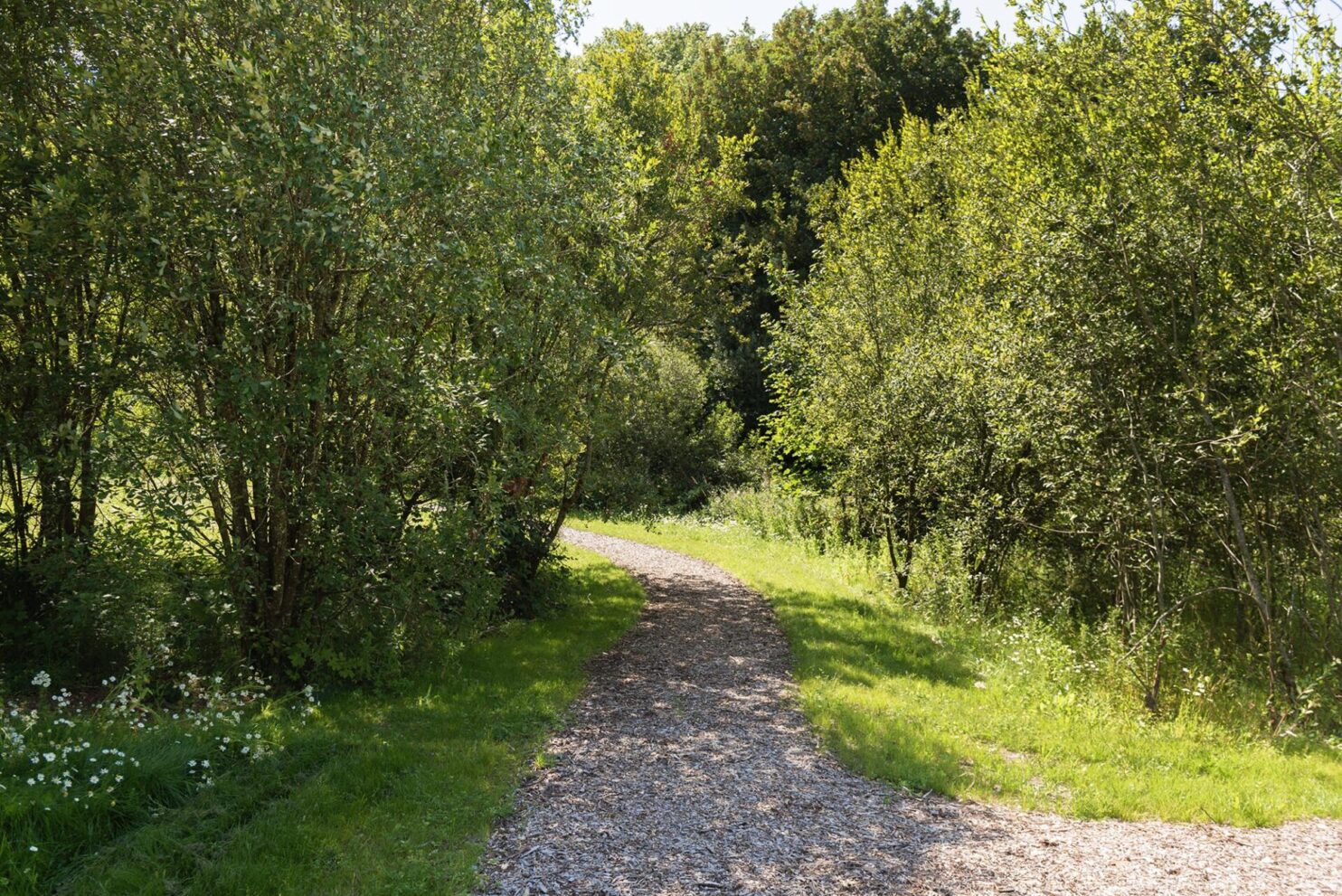
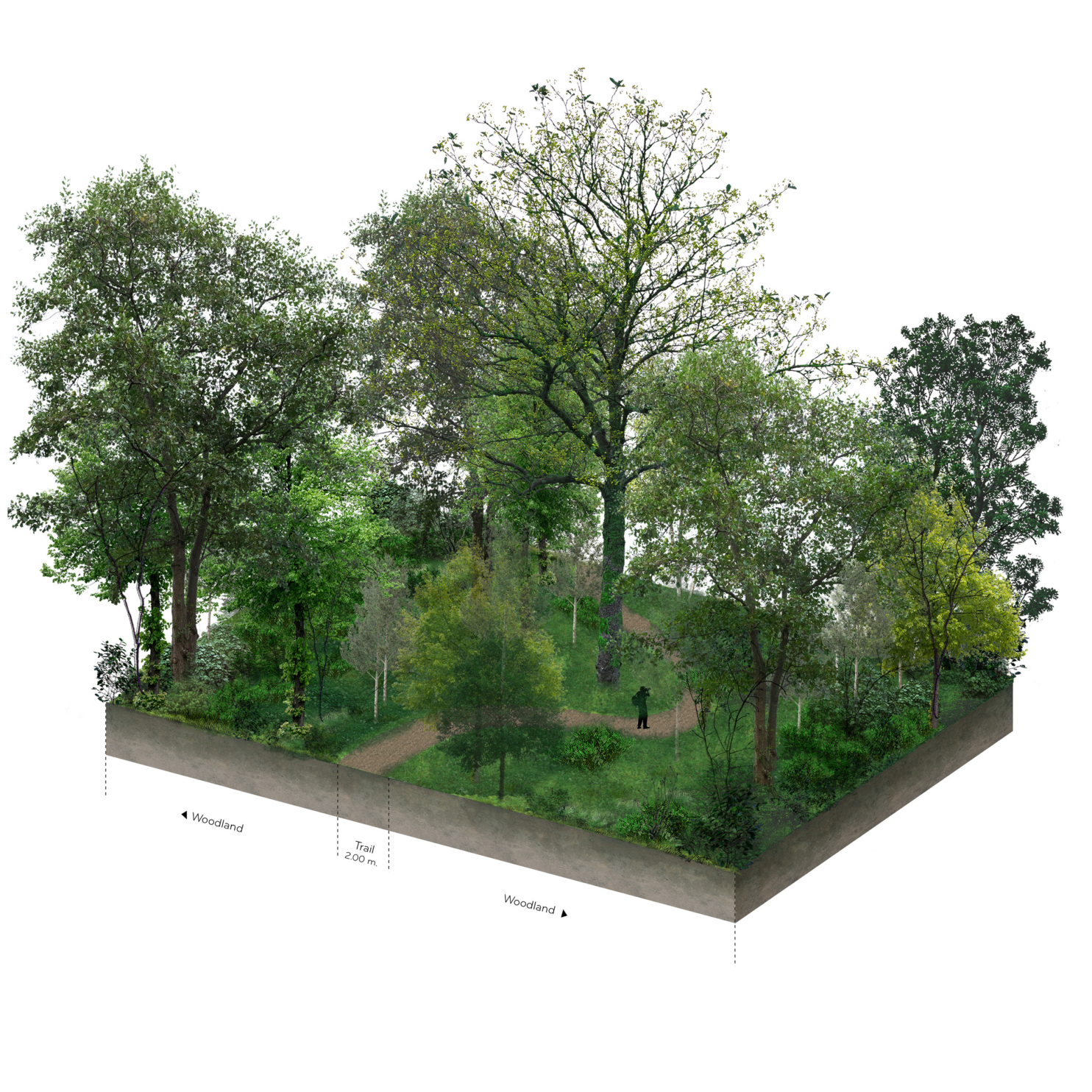
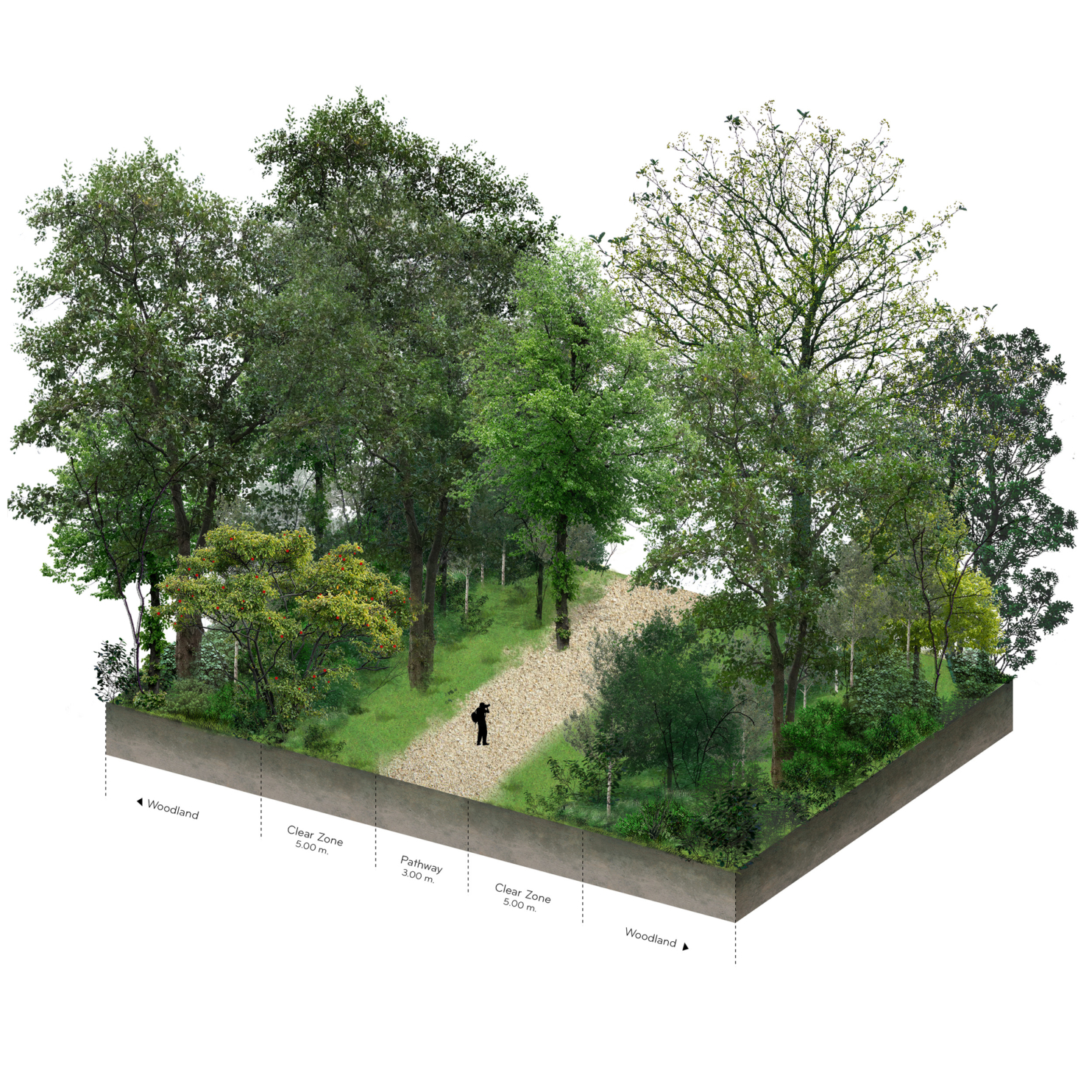
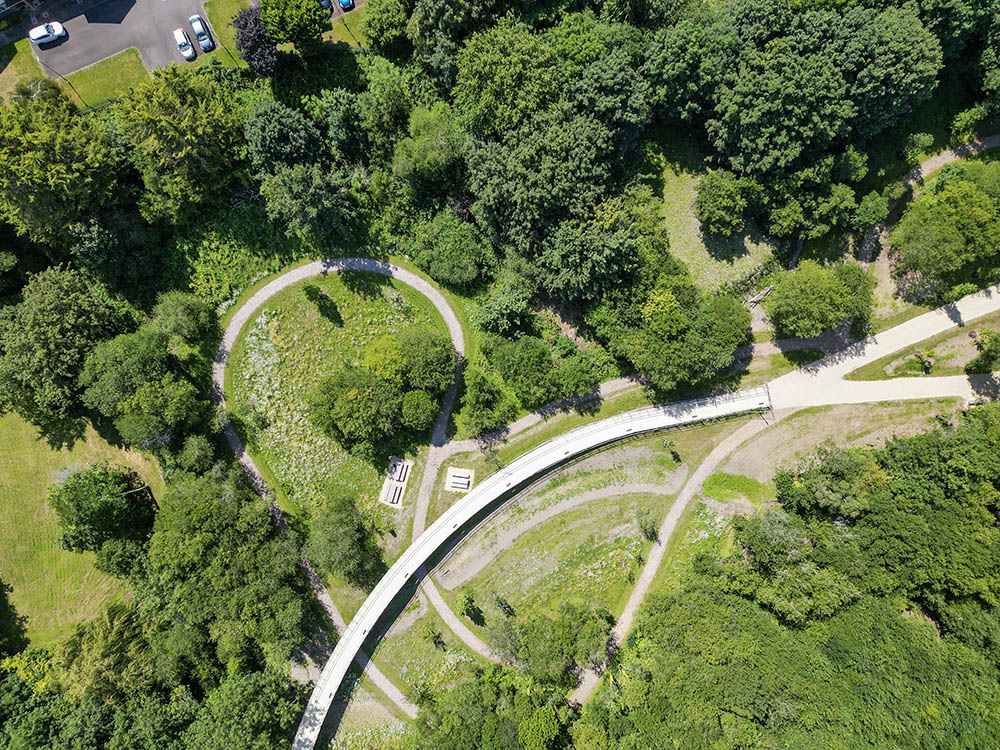
The Eco-Park spans 13 hectares and is a key part of the broader Masterplan, focusing on preserving existing green spaces and heritage, while incorporating a strong blue framework to enhance biodiversity and climate resilience. Designed to move from urban edges into progressively natural habitats, it balances recreation with ecological stewardship: native Irish species will support woodlands, meadows, grassland and marsh. The flexible layout allows future activities and unique features to be added within the overall framework. Formal and informal paths create varied visitor experiences, while water features and shorelines are improved to support wildlife and amenities.
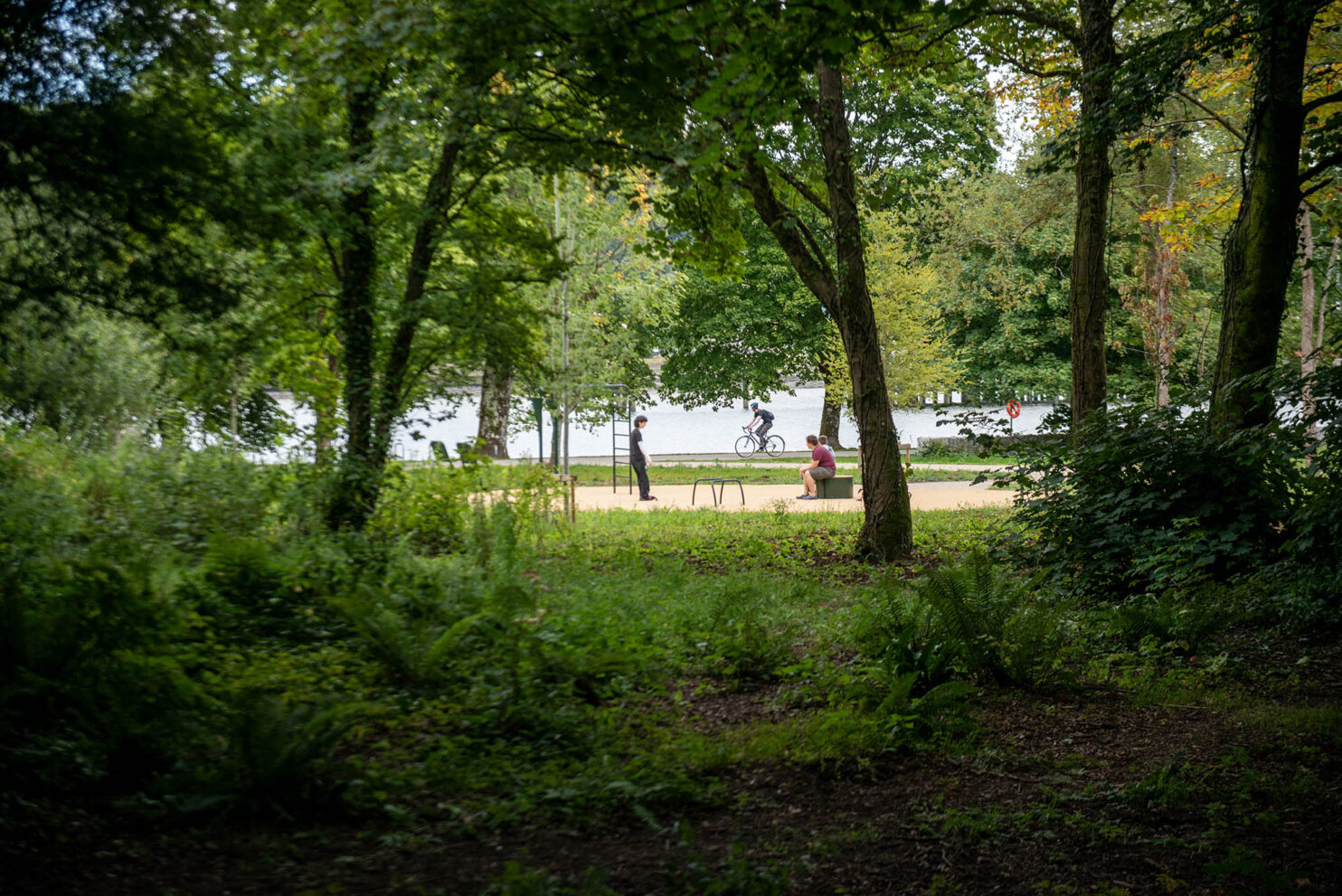
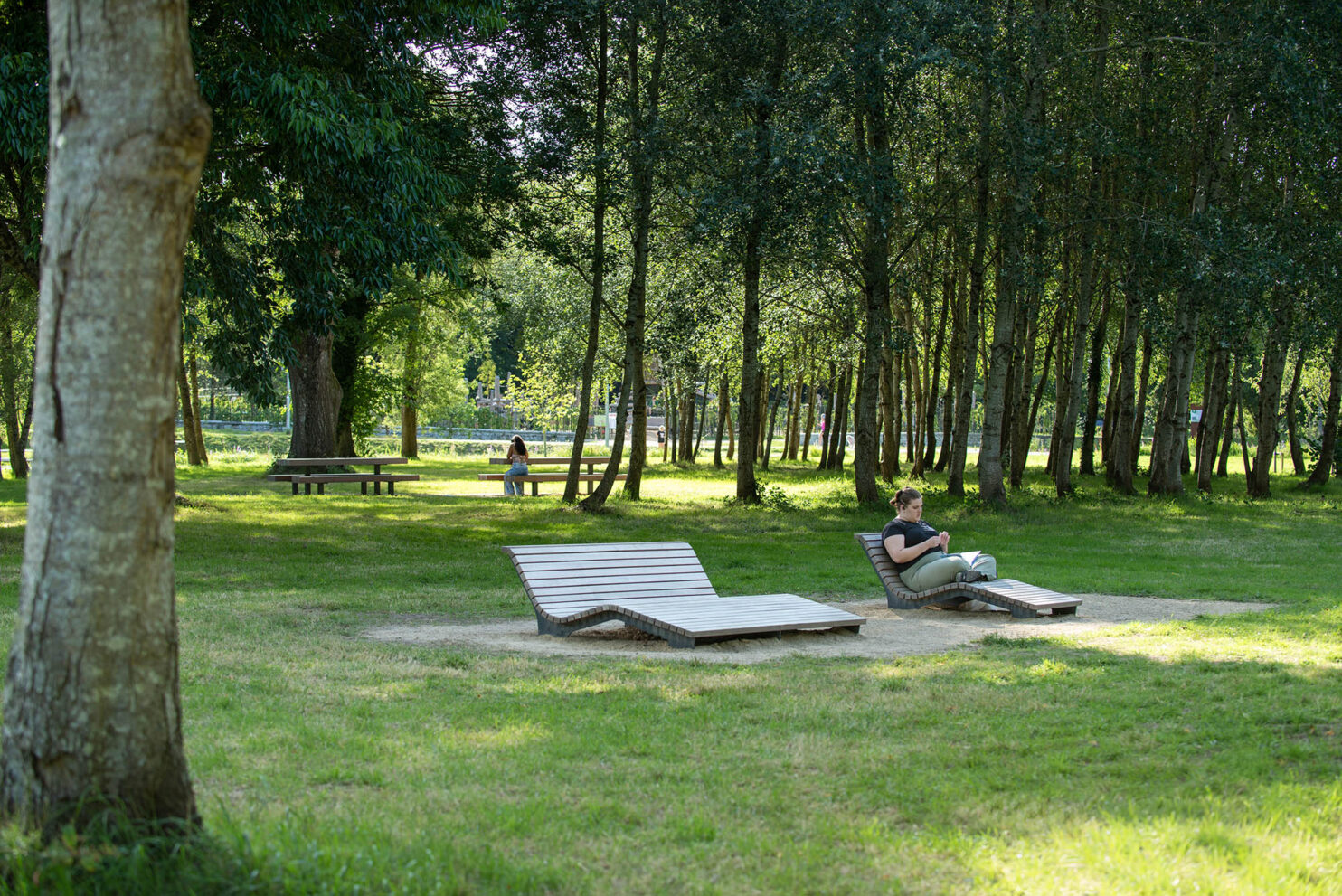
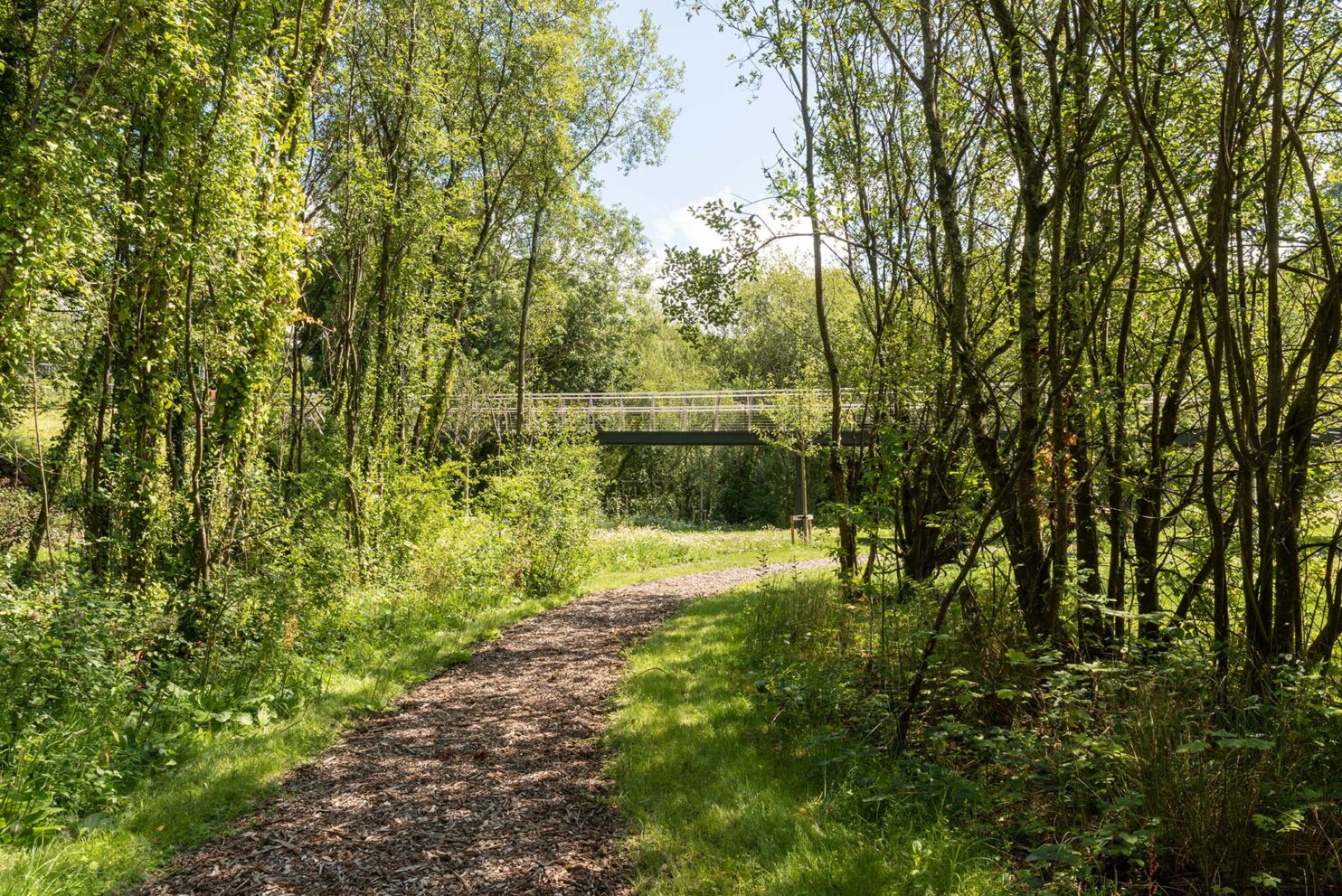
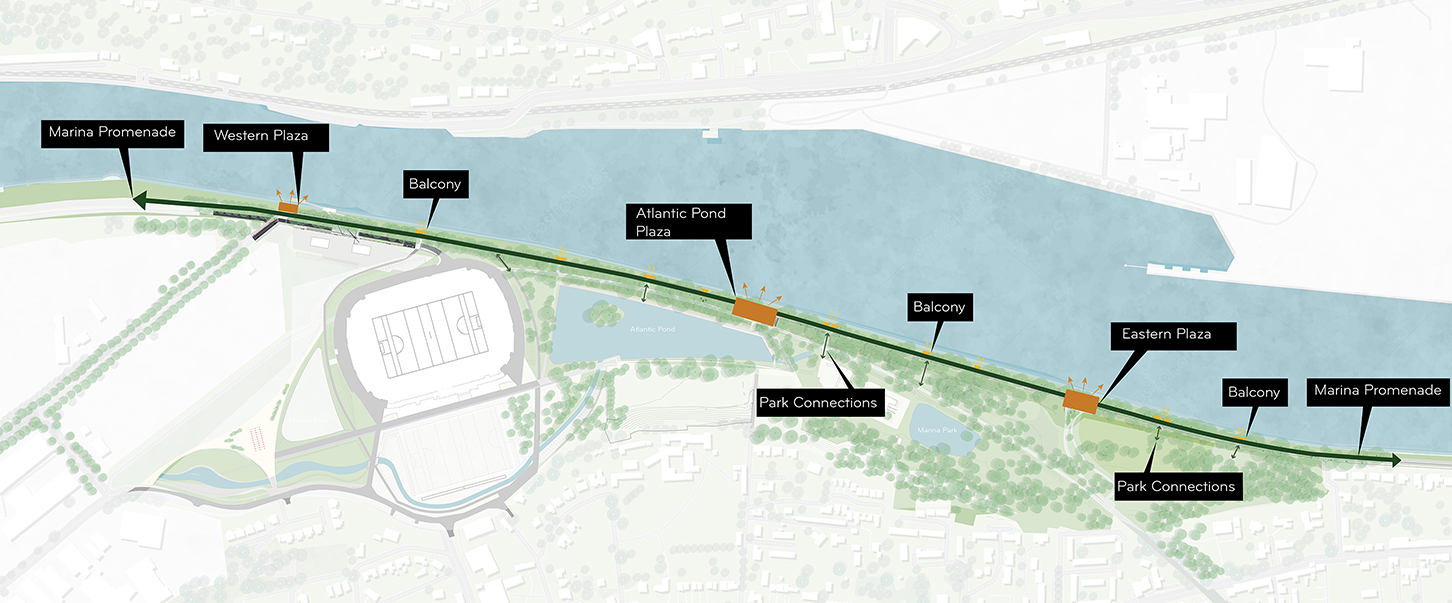
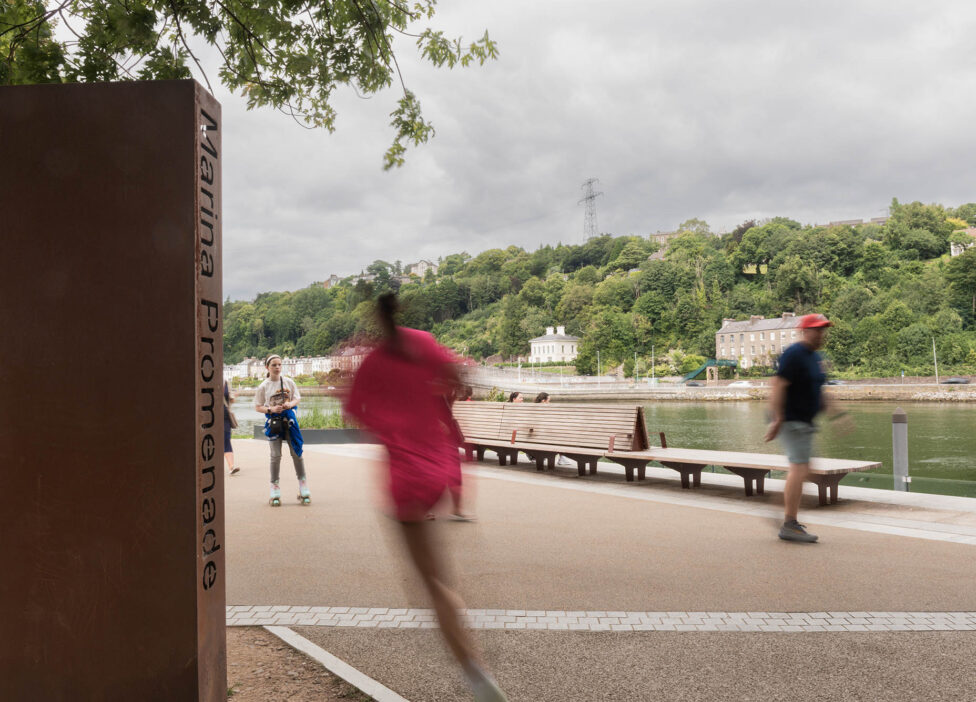
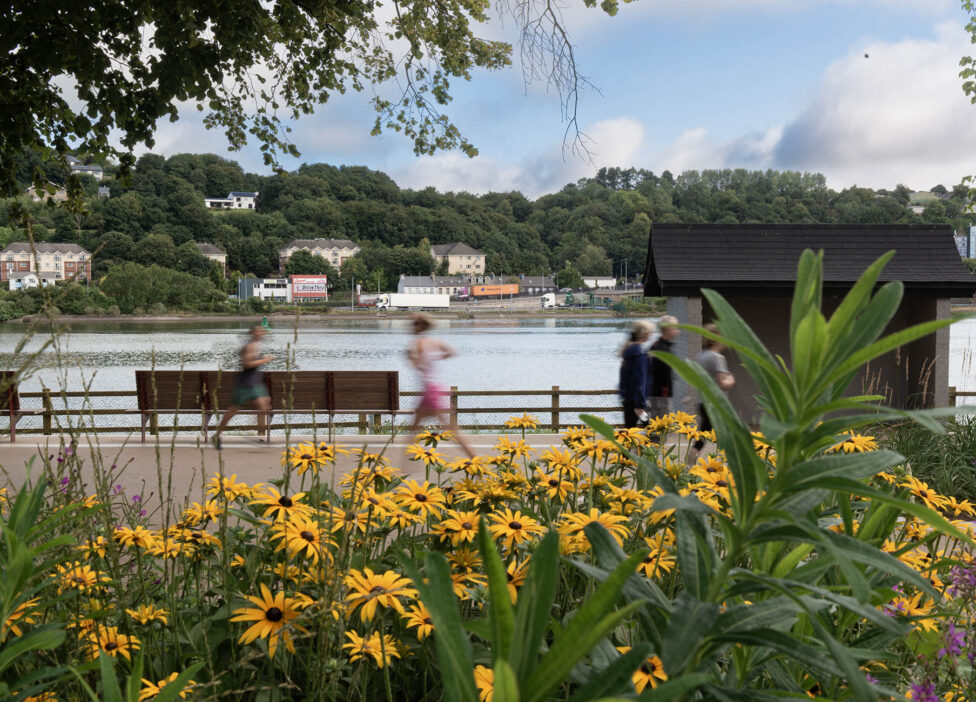
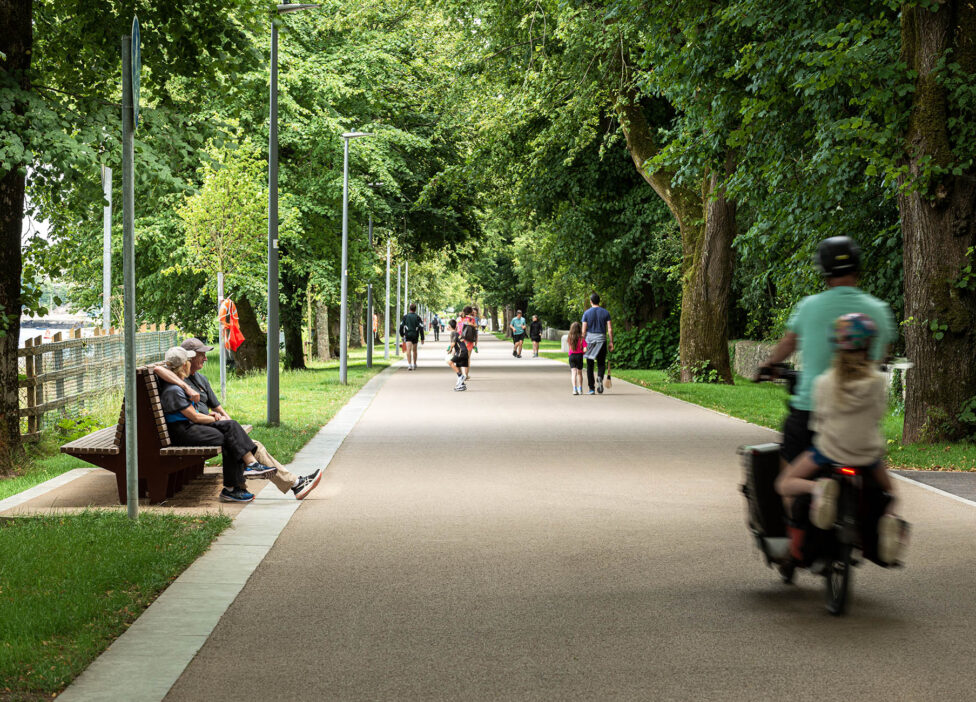
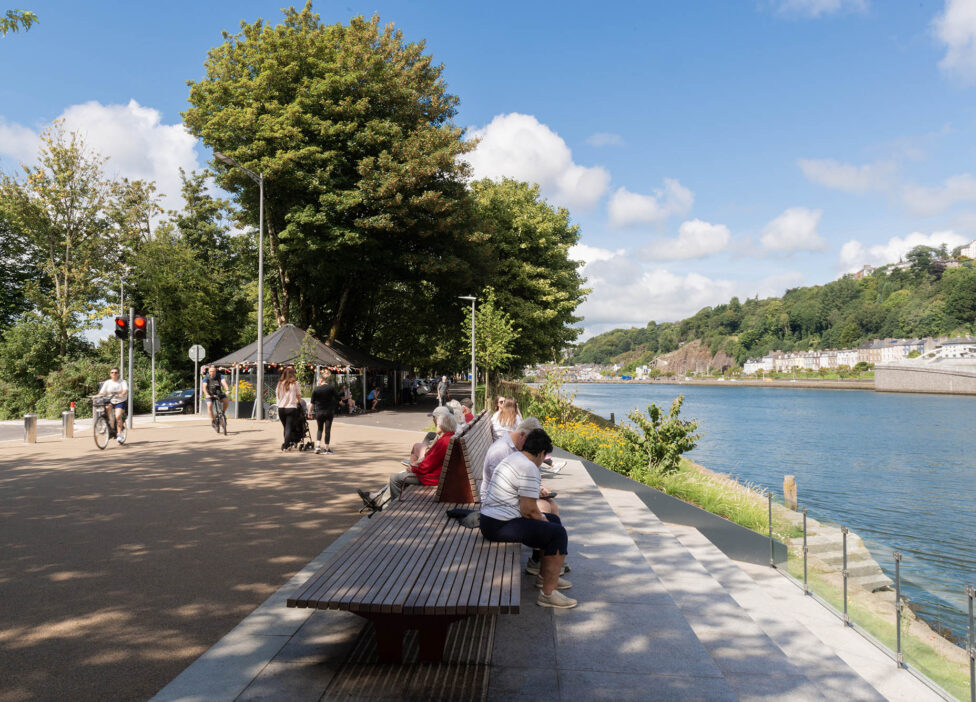
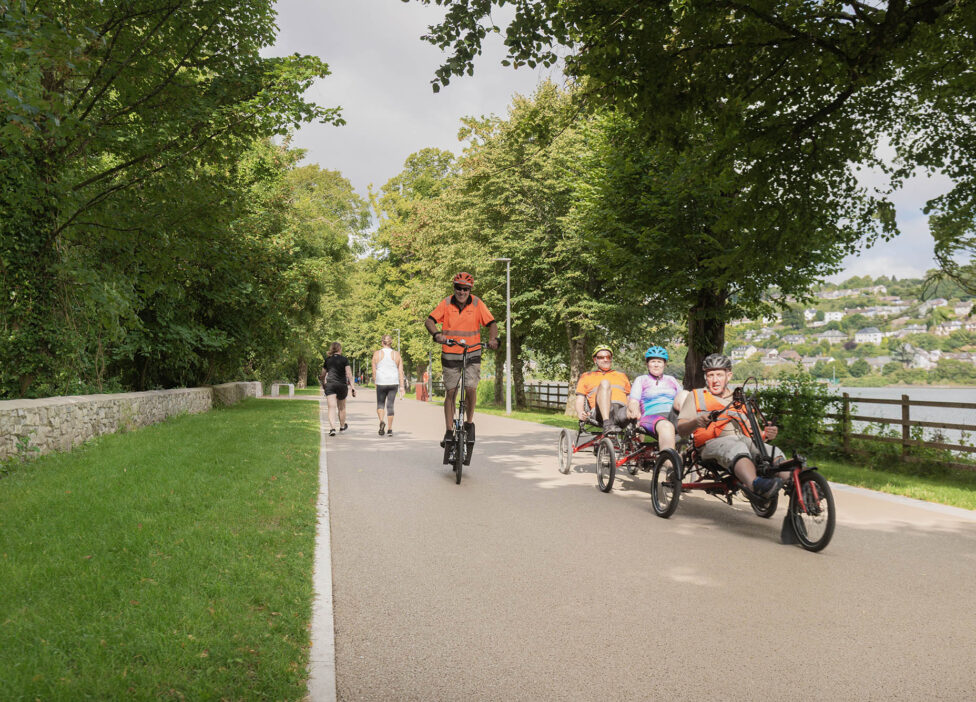
Supporting Cork’s ambitions for active movement, the Marina Promenade introduces an important slow traffic route along the river Lee. The new car-free shared pathway for pedestrians and bicycles is running through the beautiful double tree-row of mature existing trees.
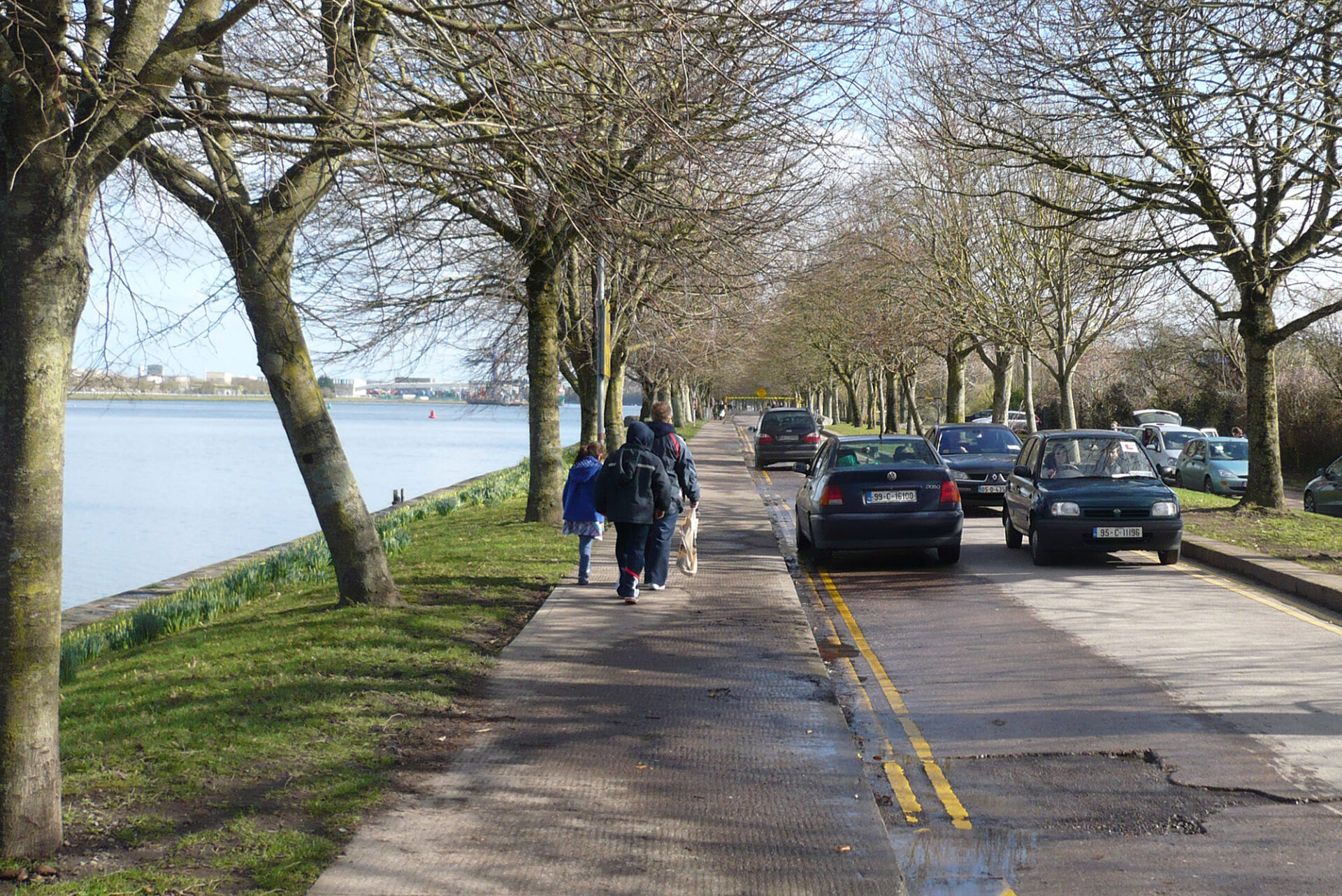
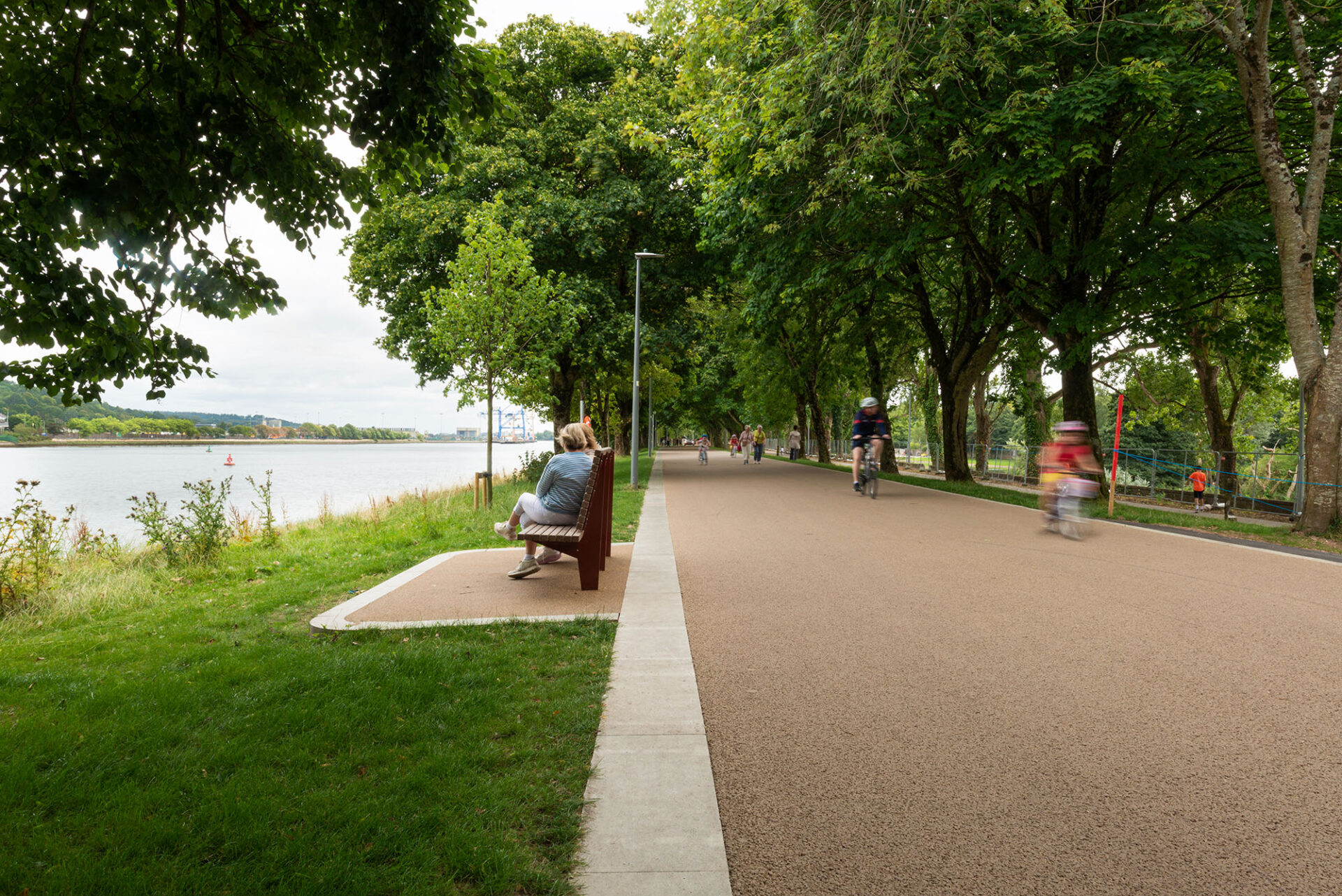
The promenade provides a unique attraction for Cork city and serves to integrate the Marina Park, the Passage Railway Greenway and the new developments of Blackrock Village and Docklands. This promenade has existed since mid-18th century, used as a tracking wall to guide ships up the River Lee to Cork Harbour, but later was taken over by car traffic. The new design provides a safe, attractive and enjoyable experience and encourages a flow of people to explore the riverside and the park alongside it.