October 5, 2026 Awards
Development perspective 2040
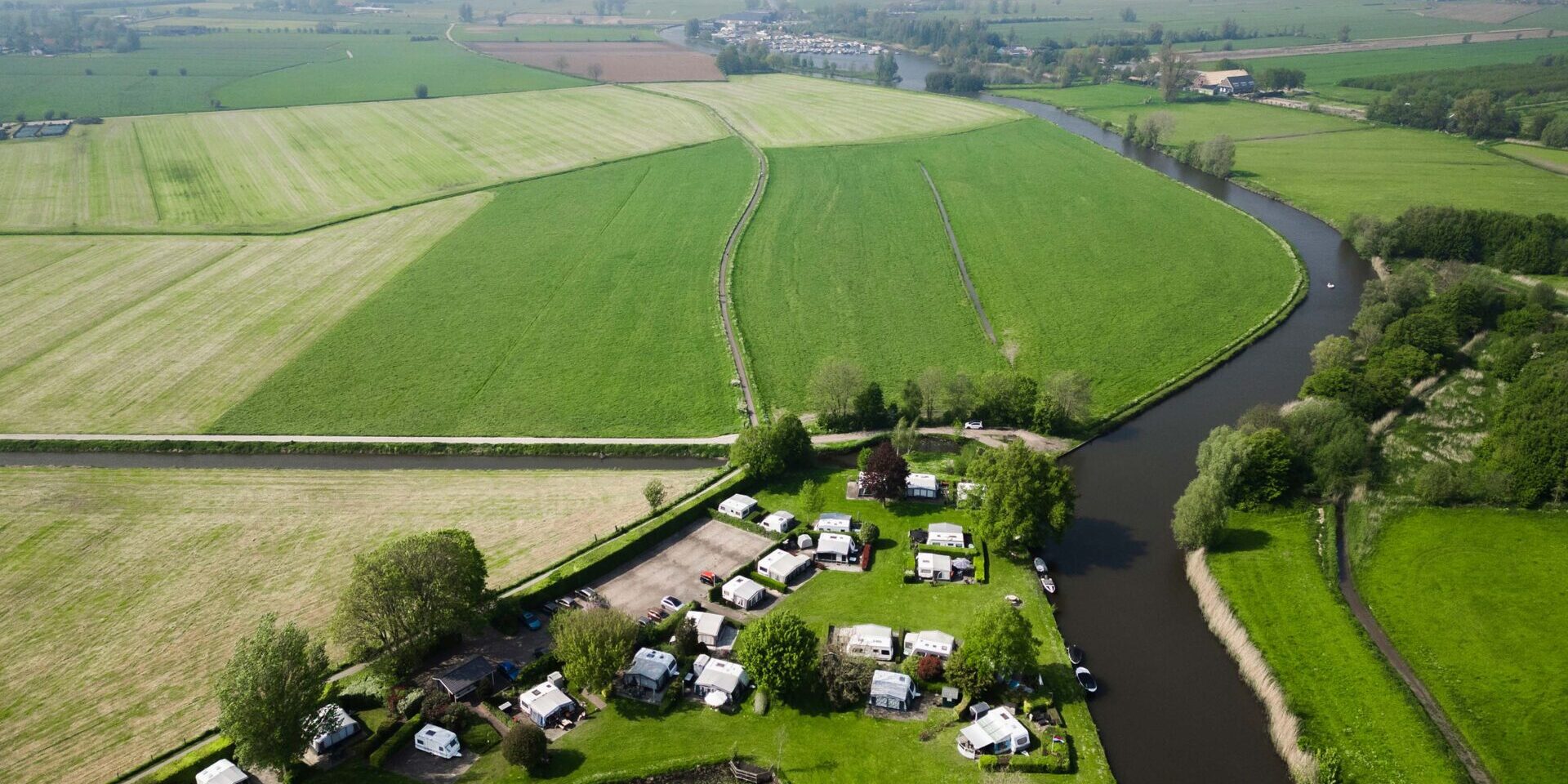
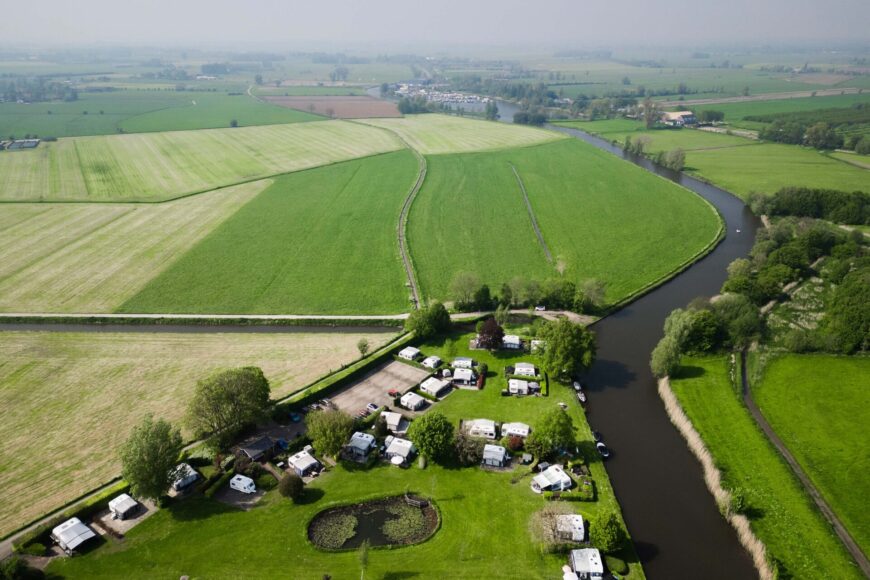
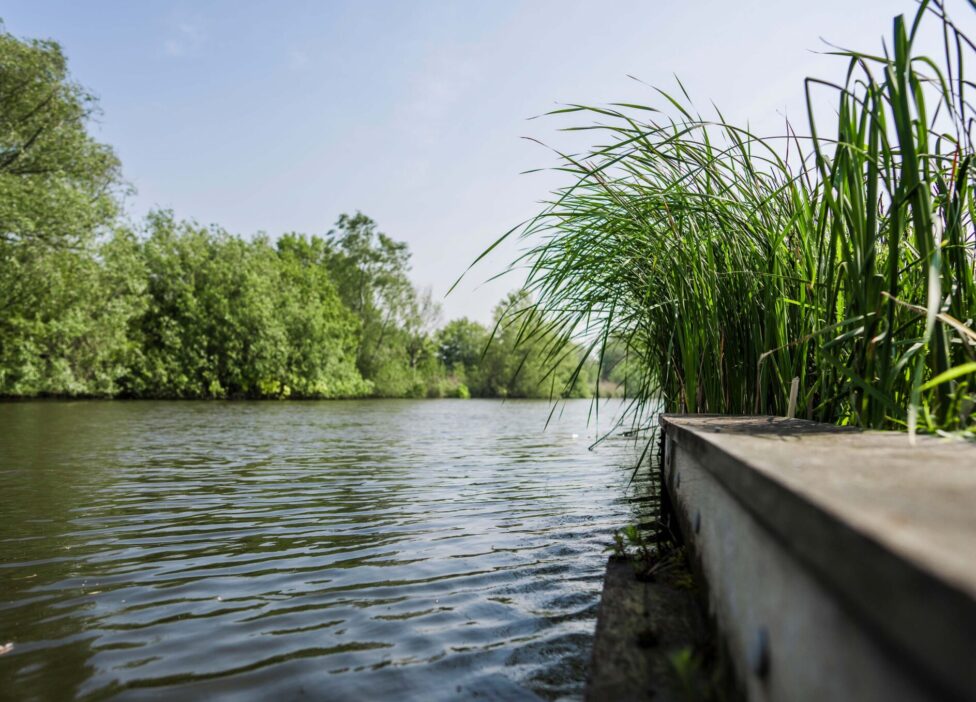
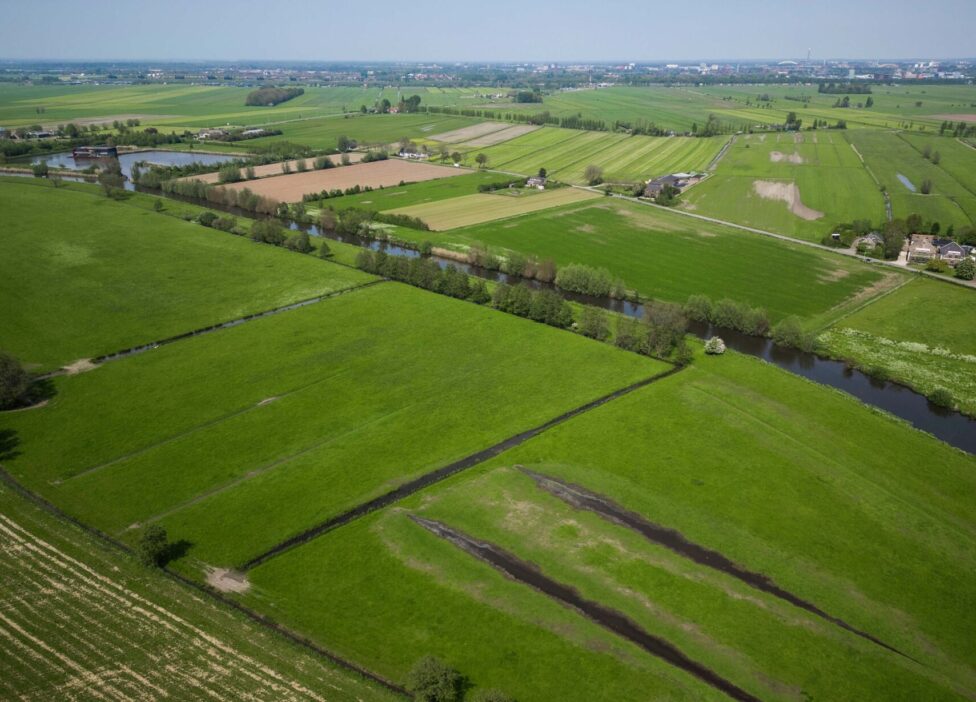
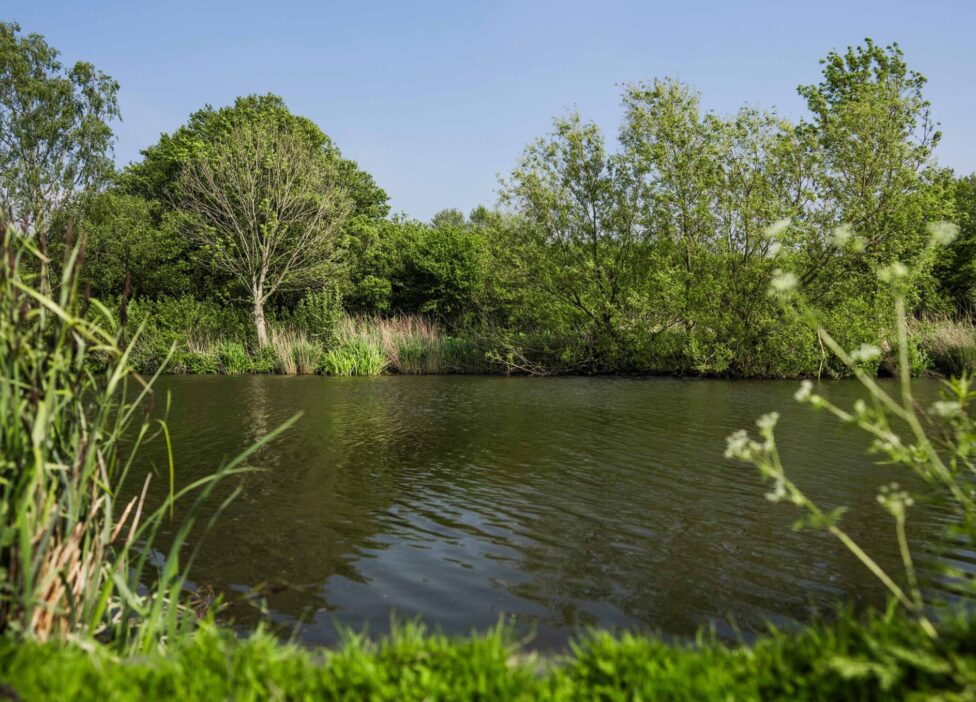
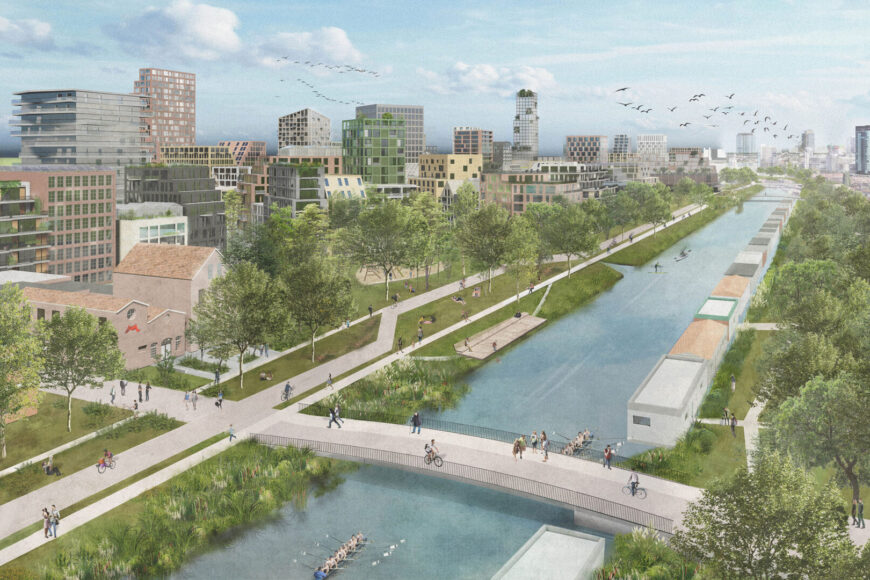
The Hollandsche IJssel flows through the urban fringe as a hidden landscape asset, largely inaccessible today, yet full of potential to become a visible and celebrated destination.
Photos: Freek van den Bergh Photography
As urbanisation accelerates across the Province of Utrecht and spatial pressure increases, the amount of green space available per resident continues to decline. Within the provincial programme Groen Groeit Mee, we explore how a green-blue landscape framework can grow in step with urban development by integrating both short- and long-term solutions directly into spatial planning.
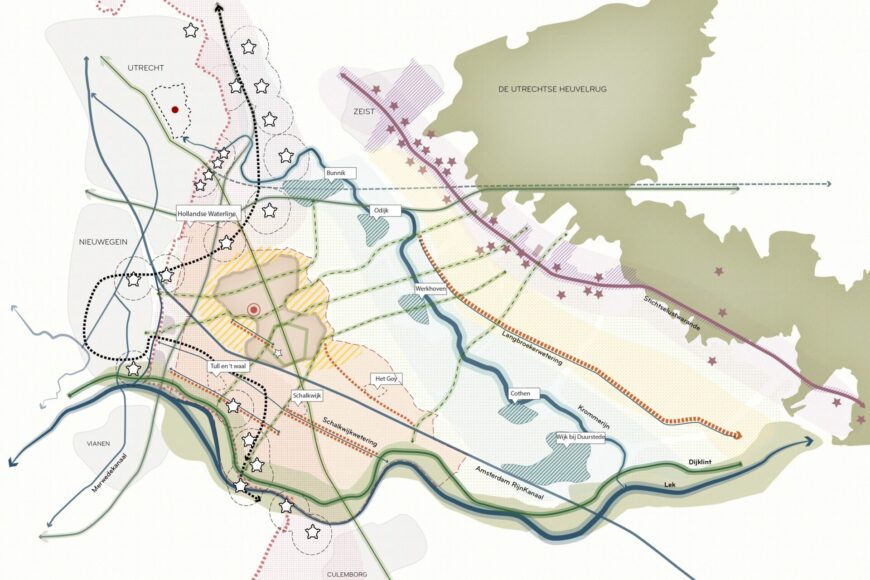
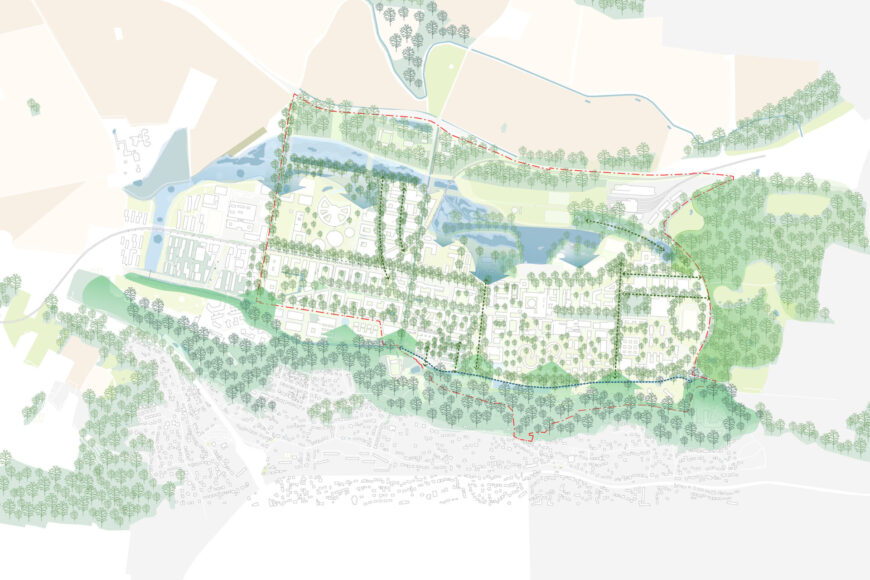
Commissioned by the Province of Utrecht, in collaboration with the HDSR Water Authority, Staatsbosbeheer, and the municipalities of IJsselstein, Montfoort, Nieuwegein, and Utrecht, we prepared the Development Perspective Hollandsche IJssel 2040. Through spatial analysis, design research, and pilot studies across multiple scales, we explored how urban growth and landscape quality can reinforce one another. As a key pilot location adjacent to the planned urban expansion of Rijnenburg, the Hollandsche IJssel area was tested across multiple scales, from the river system and regional green networks to local routes, agricultural parcels, and riverbanks. As a first step, the DP 2040 provides the foundation for the subsequent planning phase by enabling an integrated and collaborative approach to the area and guides green investments for the future.
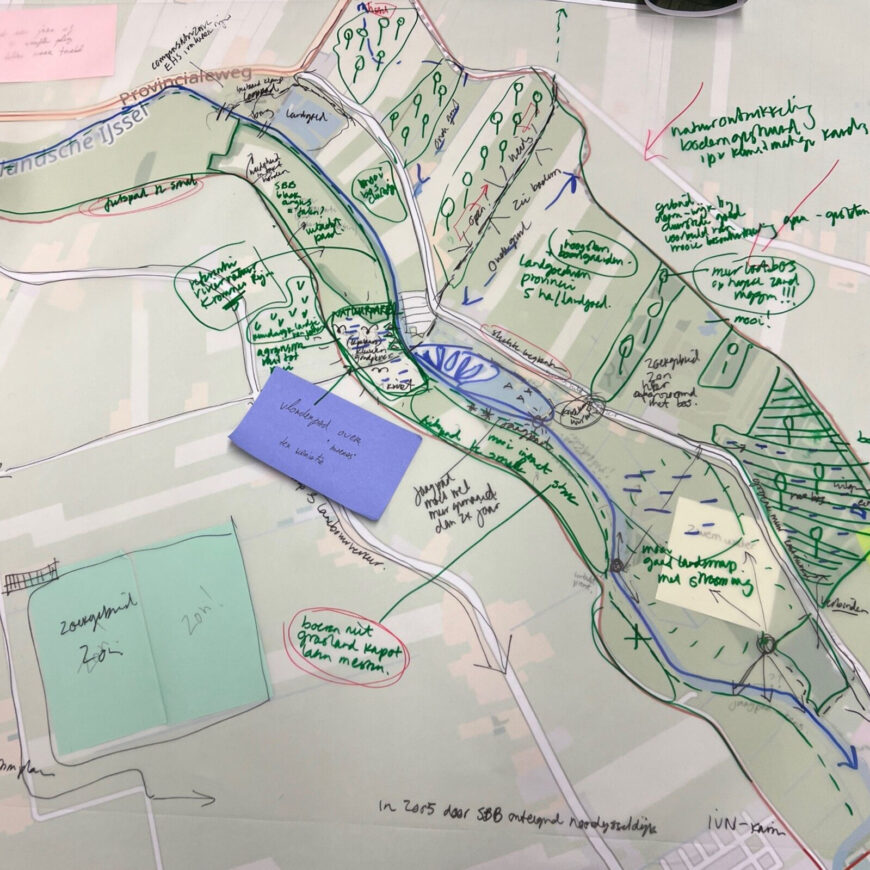
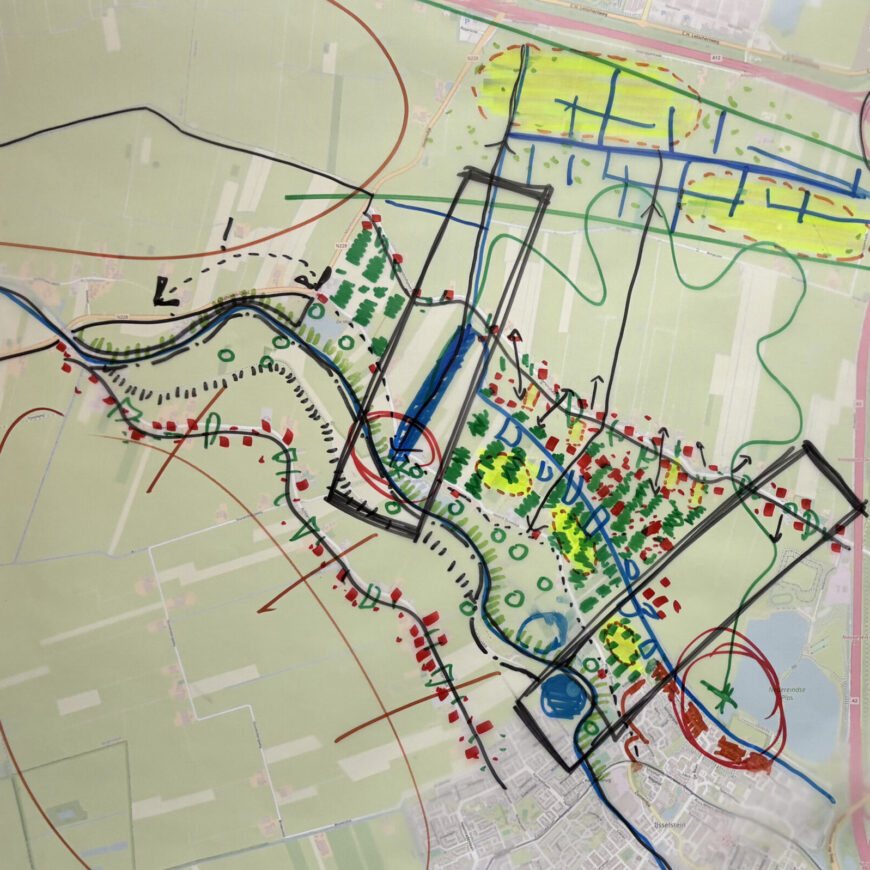
Together with the civil-service project team, we aligned diverse ambitions into a coherent plan. We first established the core values by designing, providing a foundation for participatory workshops to address key dilemmas with steering groups. In addition, we held a series of kitchen‑table conversations with around thirty landowners, culminating in a large public participation event. By regularly presenting interim results to a broader group of area partners, we ensured that the development perspective was both grounded and widely supported.
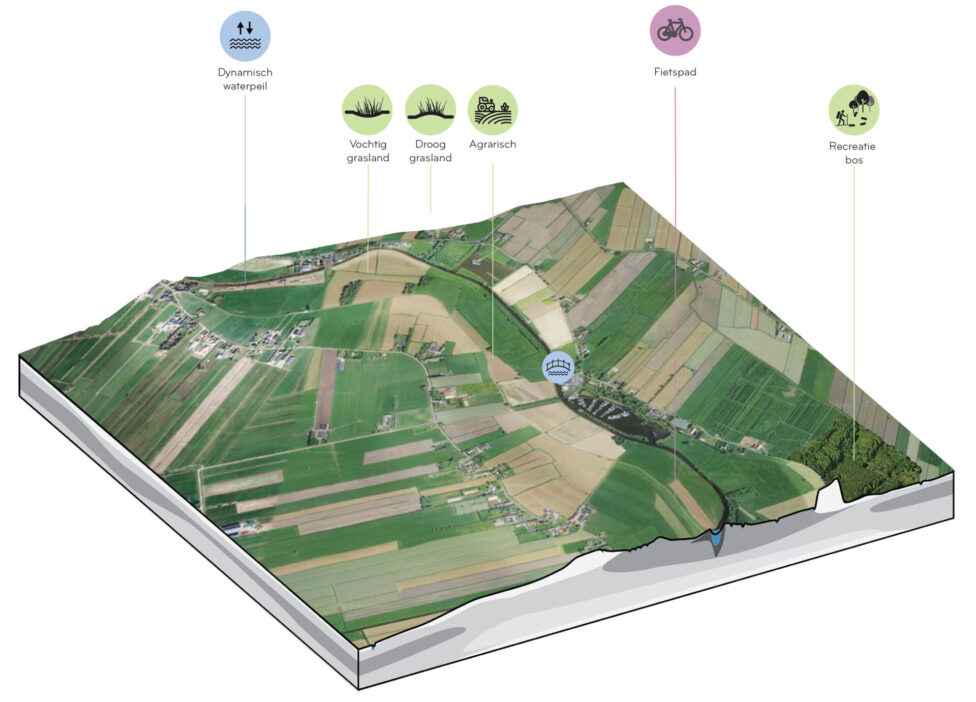
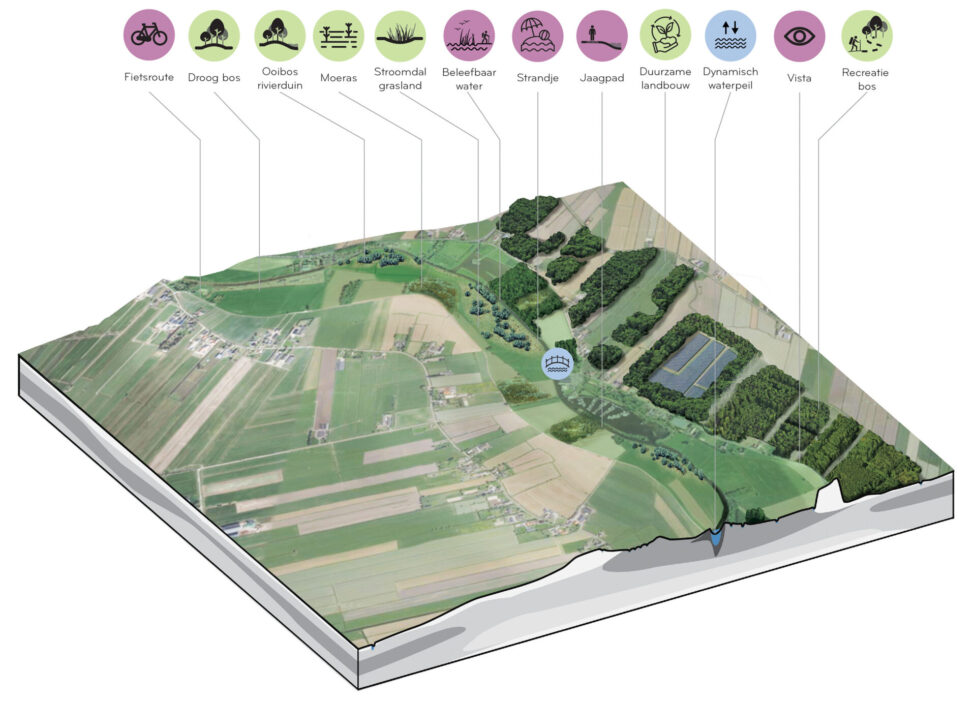
The long-term vision expands the existing programme with green-blue networks, recreation, biodiversity and climate-adaptive measures, effectively doubling the programme’s benefits.
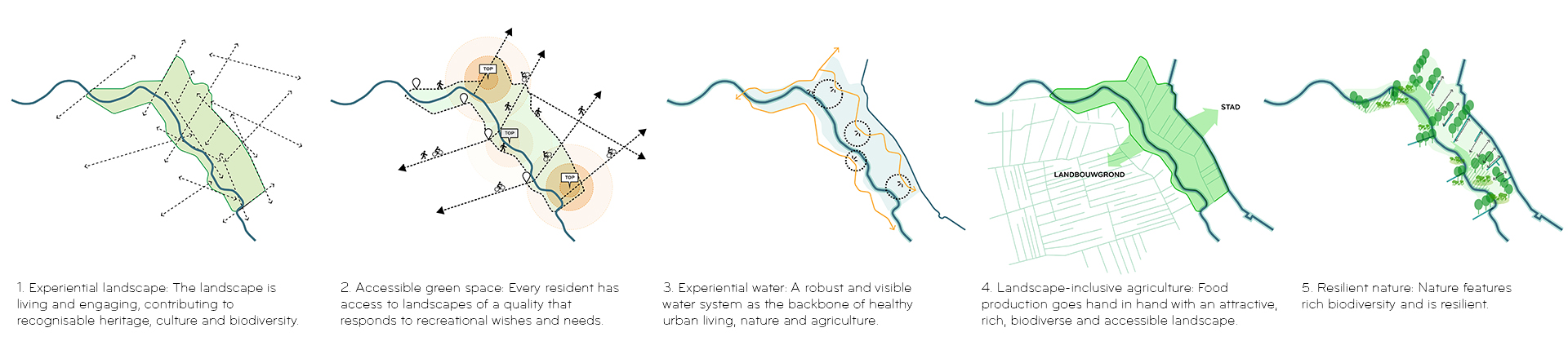
Five shared objectives structure the Development Perspective: an experiential landscape, accessible green spaces, experiential water systems, landscape‑inclusive agriculture and resilient nature. Together, they form a coherent spatial narrative within the environmental vision of IJsselstein.
“As the city grows and the landscape faces increasing pressure from changing use, we strive to preserve what makes this place unique while enhancing its quality, experience, and ecological resilience.”
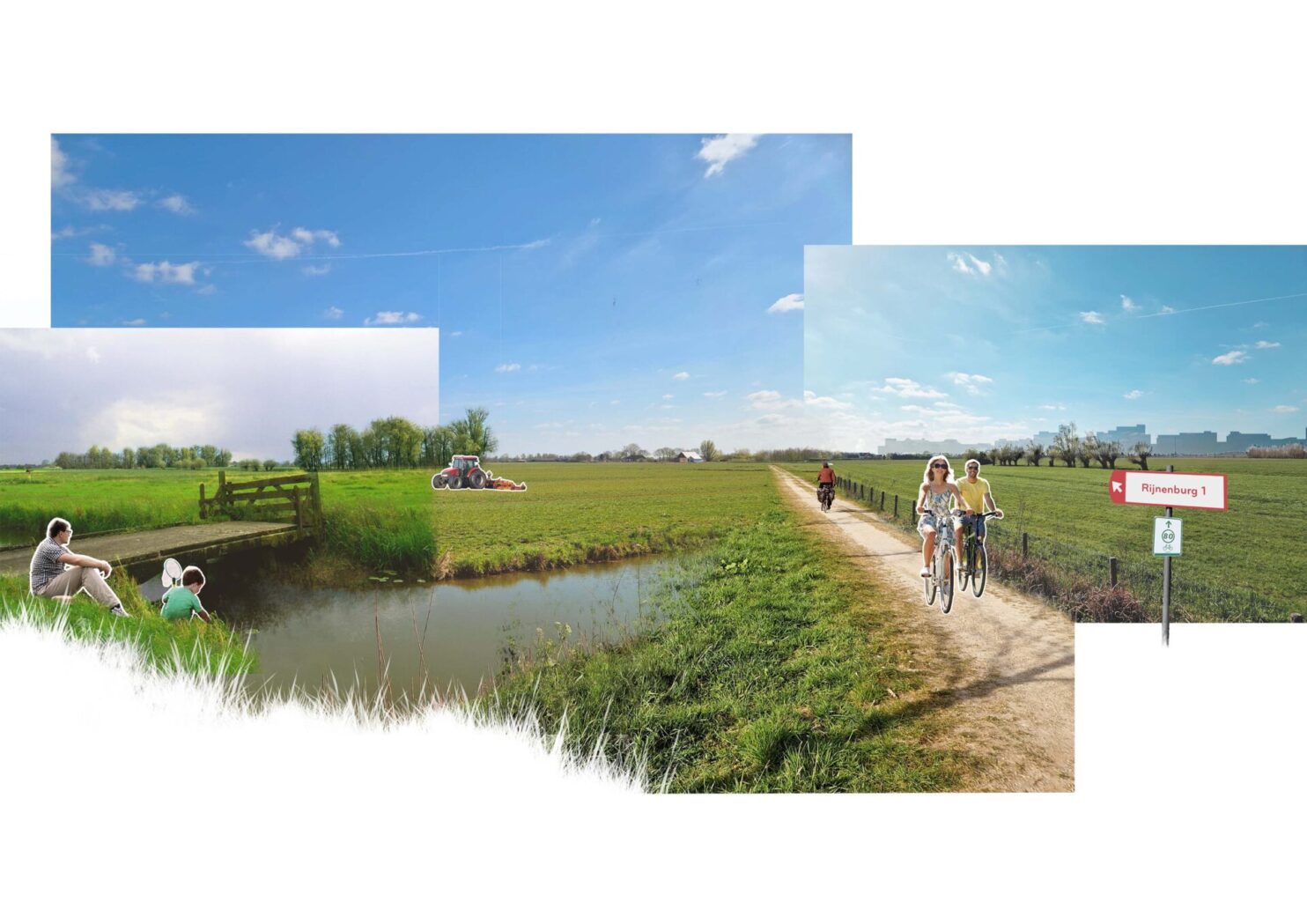
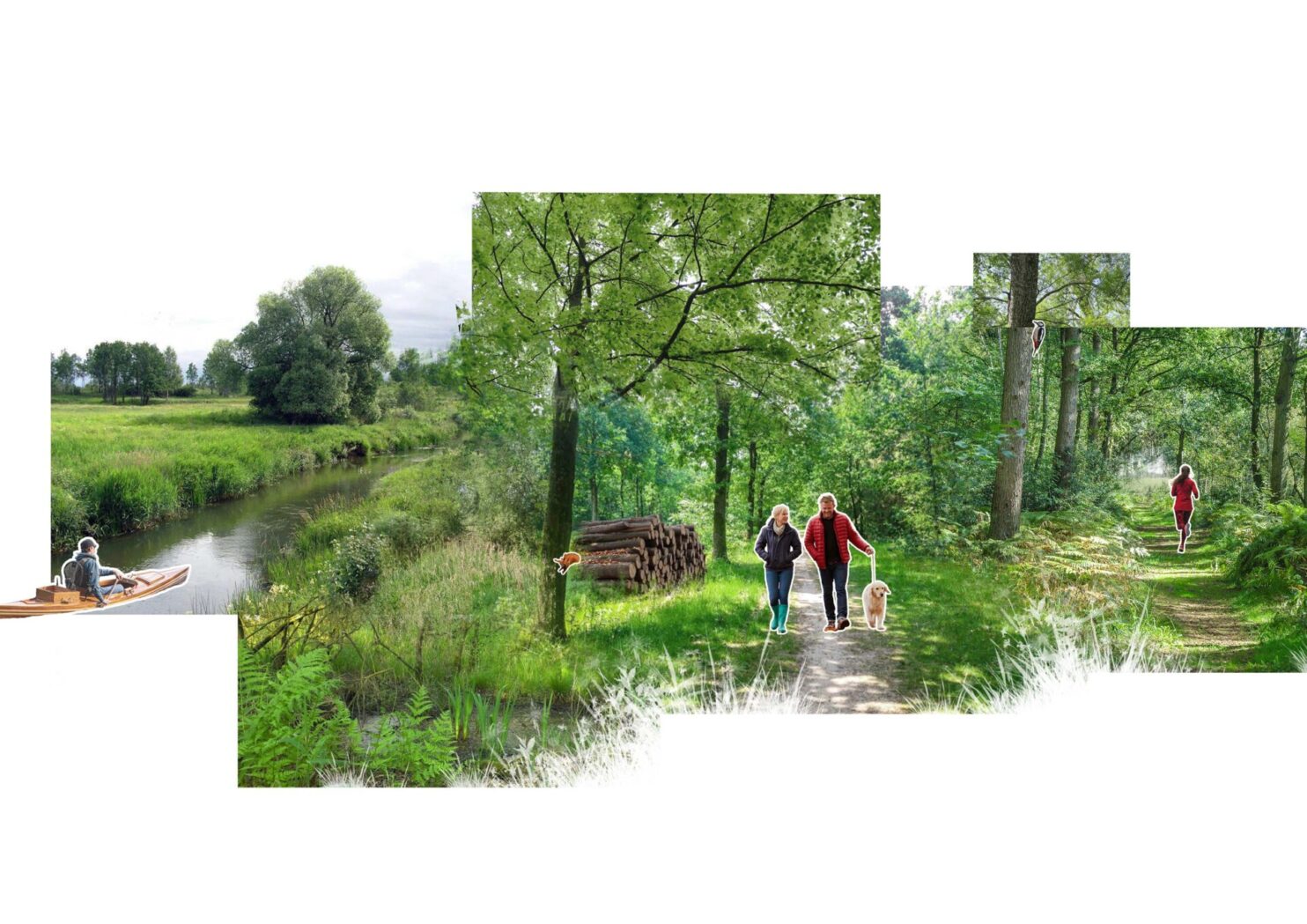
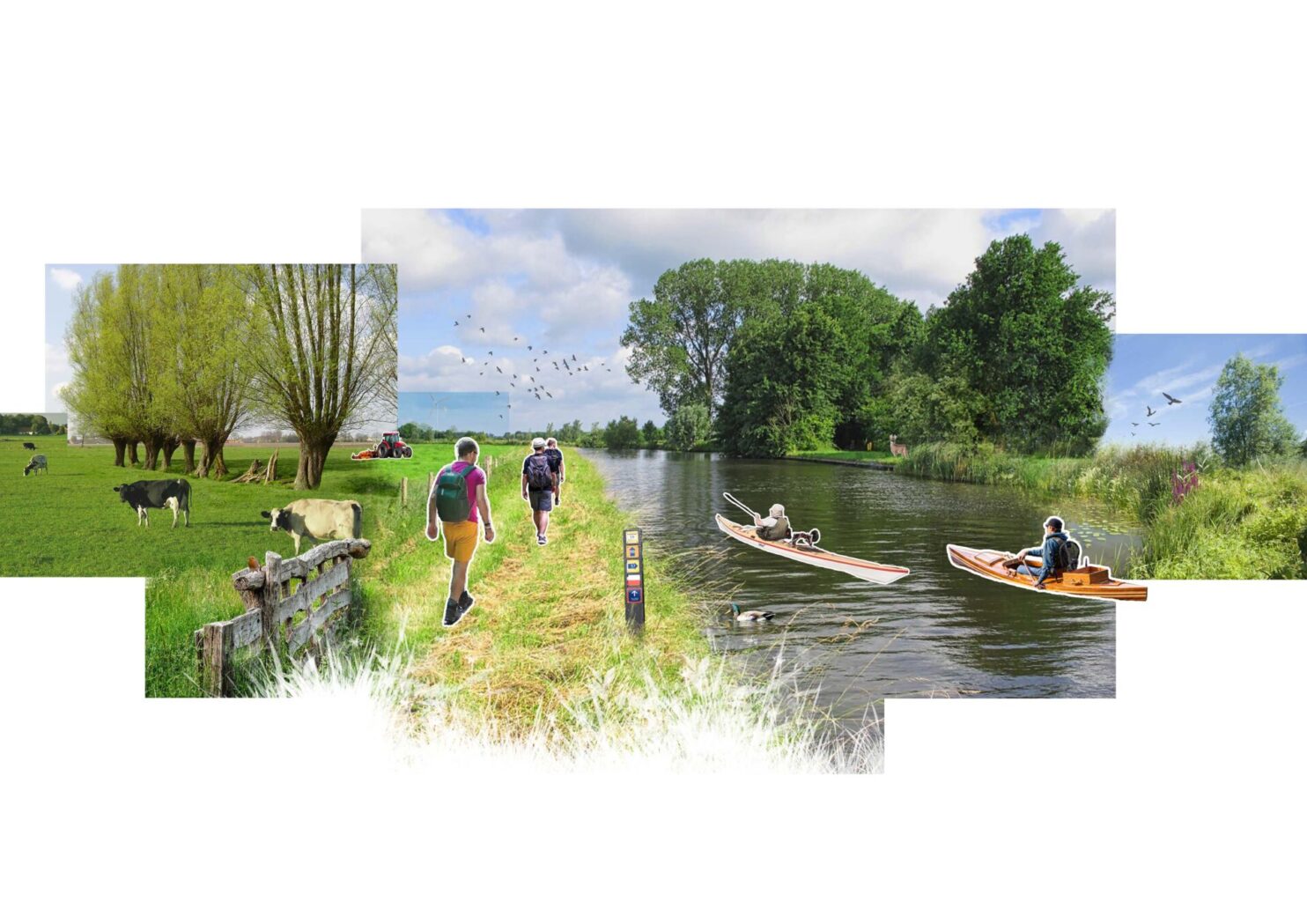
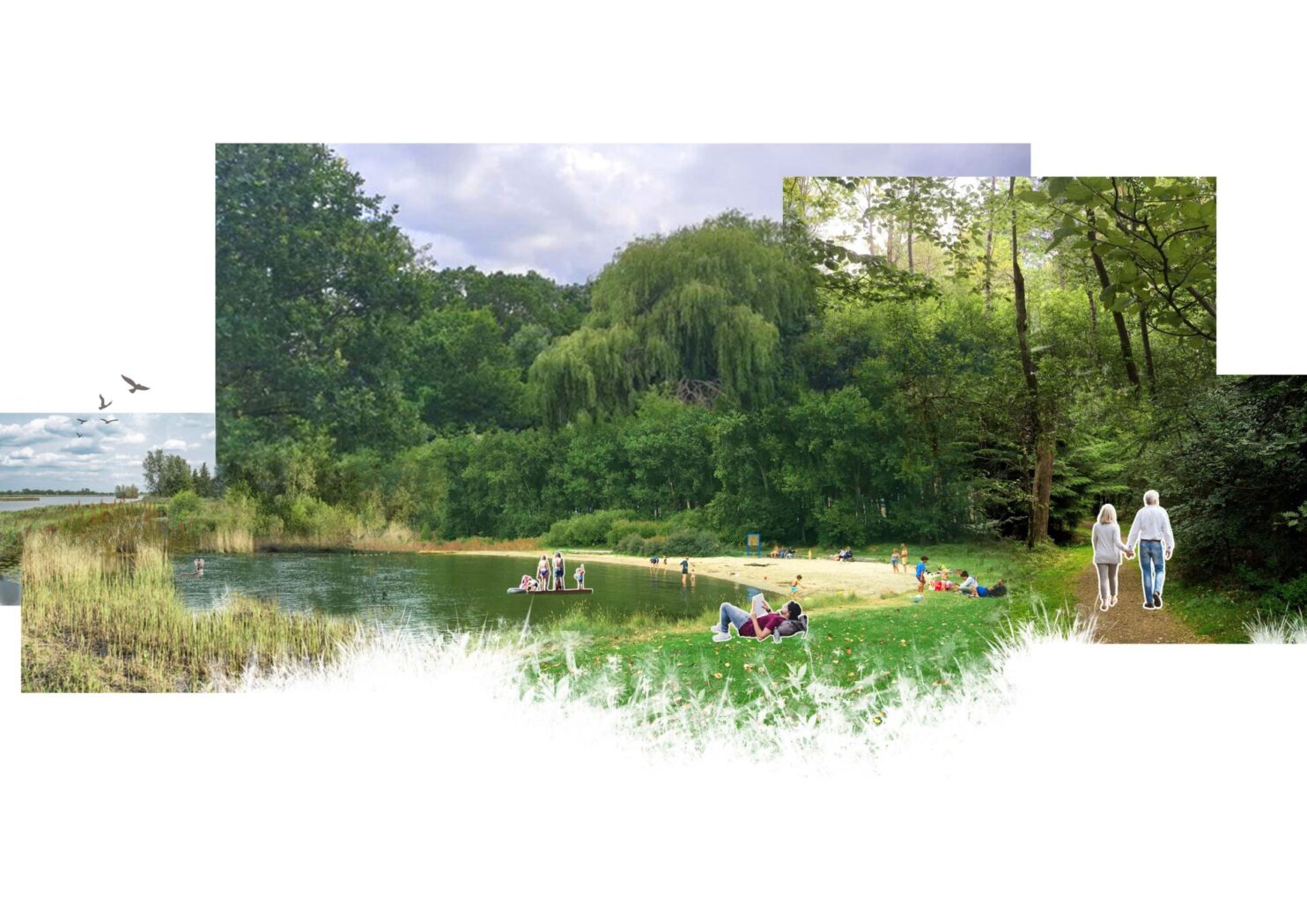
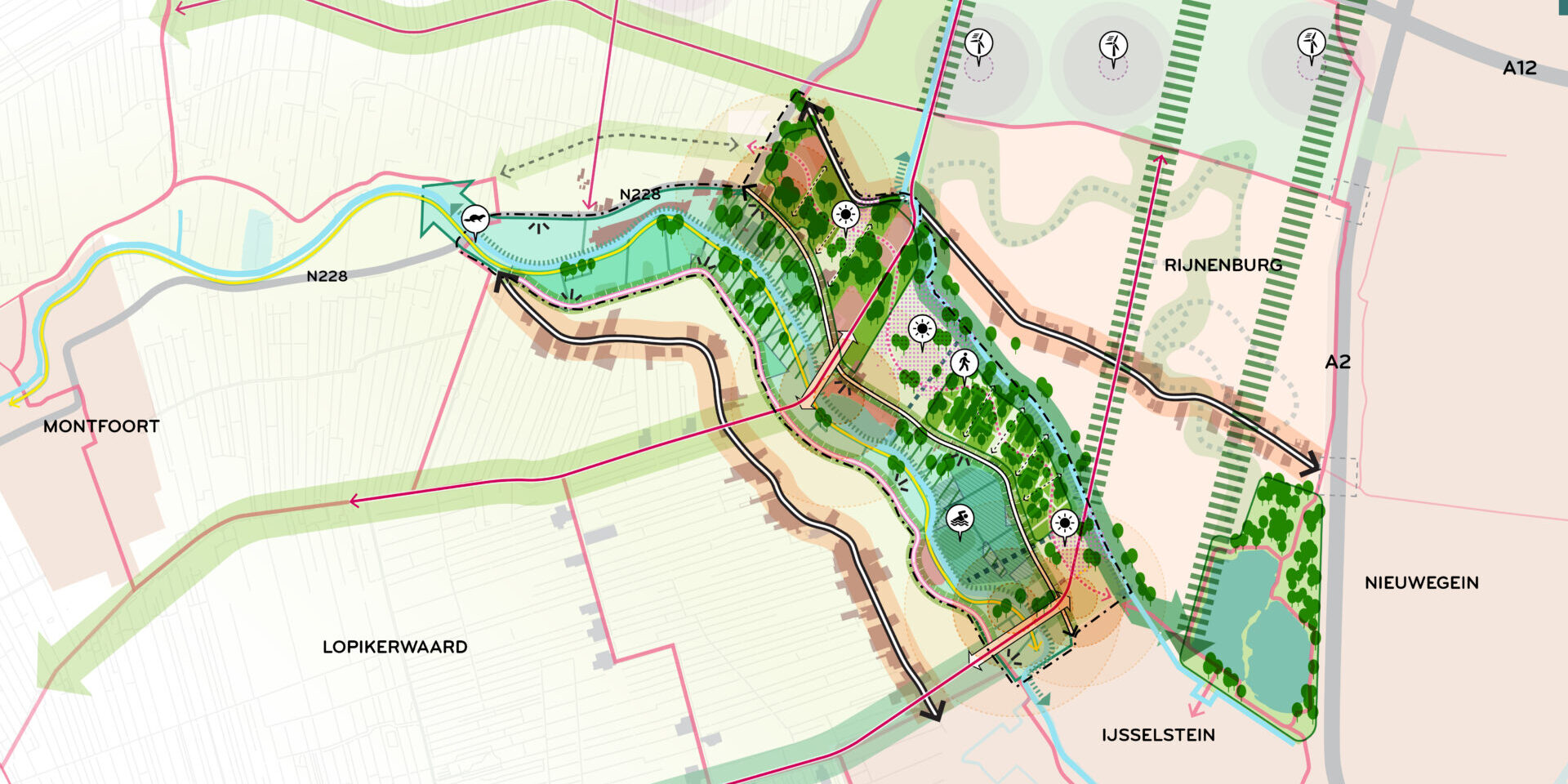
The Development Perspective Hollandsche IJssel 2040 establishes a resilient, multifunctional green-blue landscape framework that safeguards the iconic polder landscape, restores the Hollandsche IJssel as a visible and accessible river system, and strengthens the connection between urban areas and the surrounding landscape through active gateways. As urban development continues, the perspective provides a clear foundation for the next planning phase, translating long-term ambitions into concrete projects and integrated spatial interventions.