January 22, 2026 News
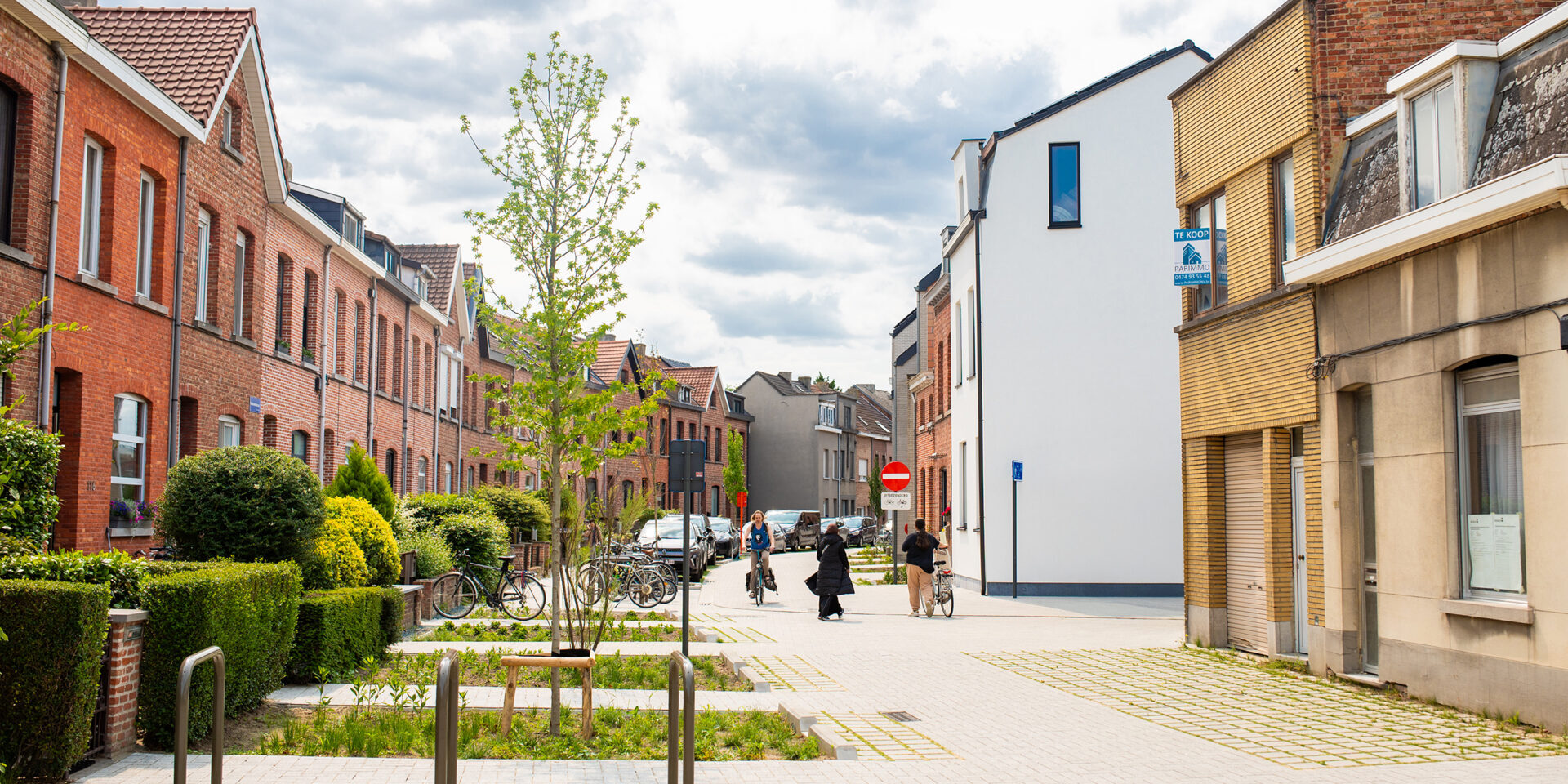
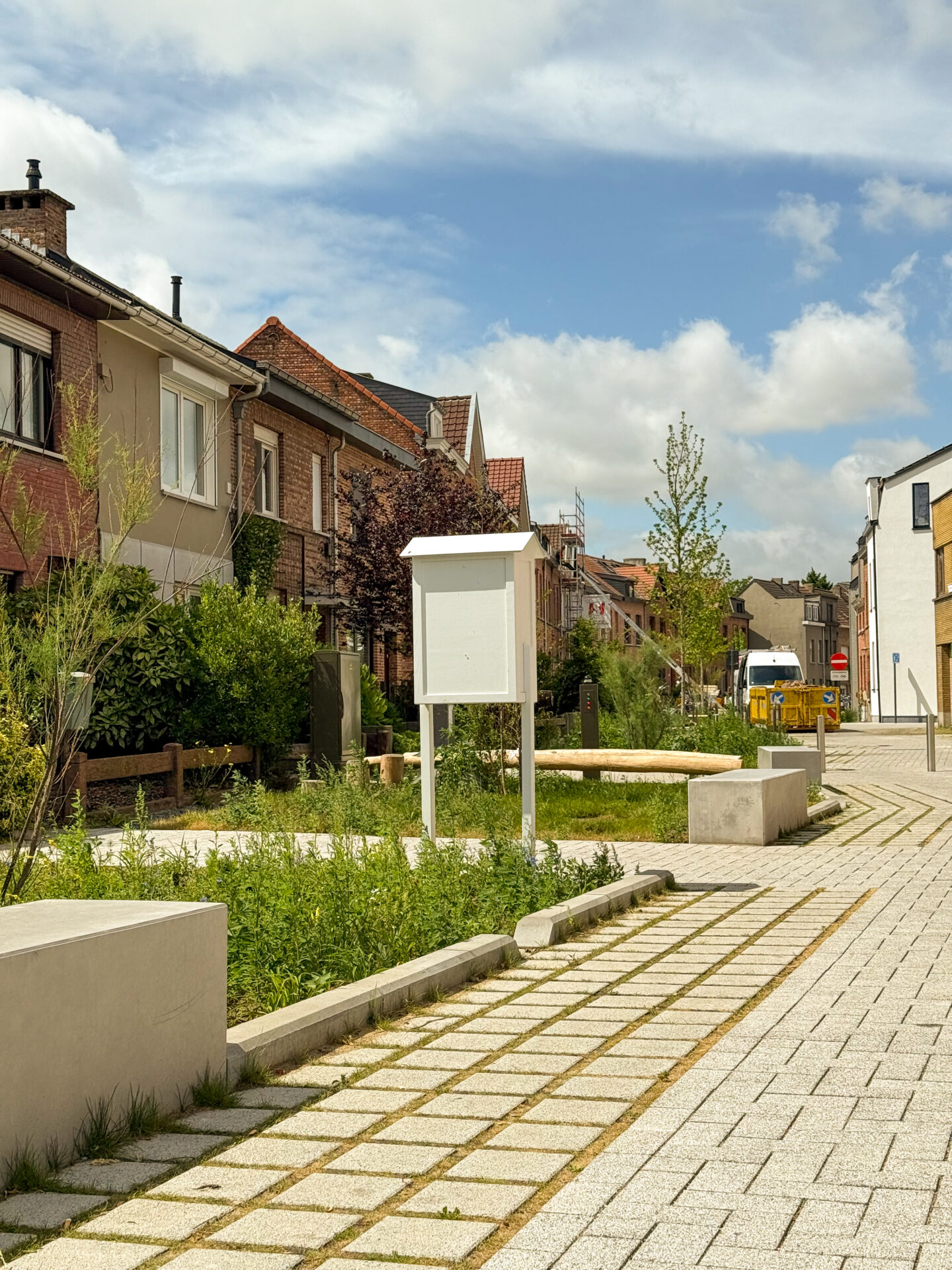
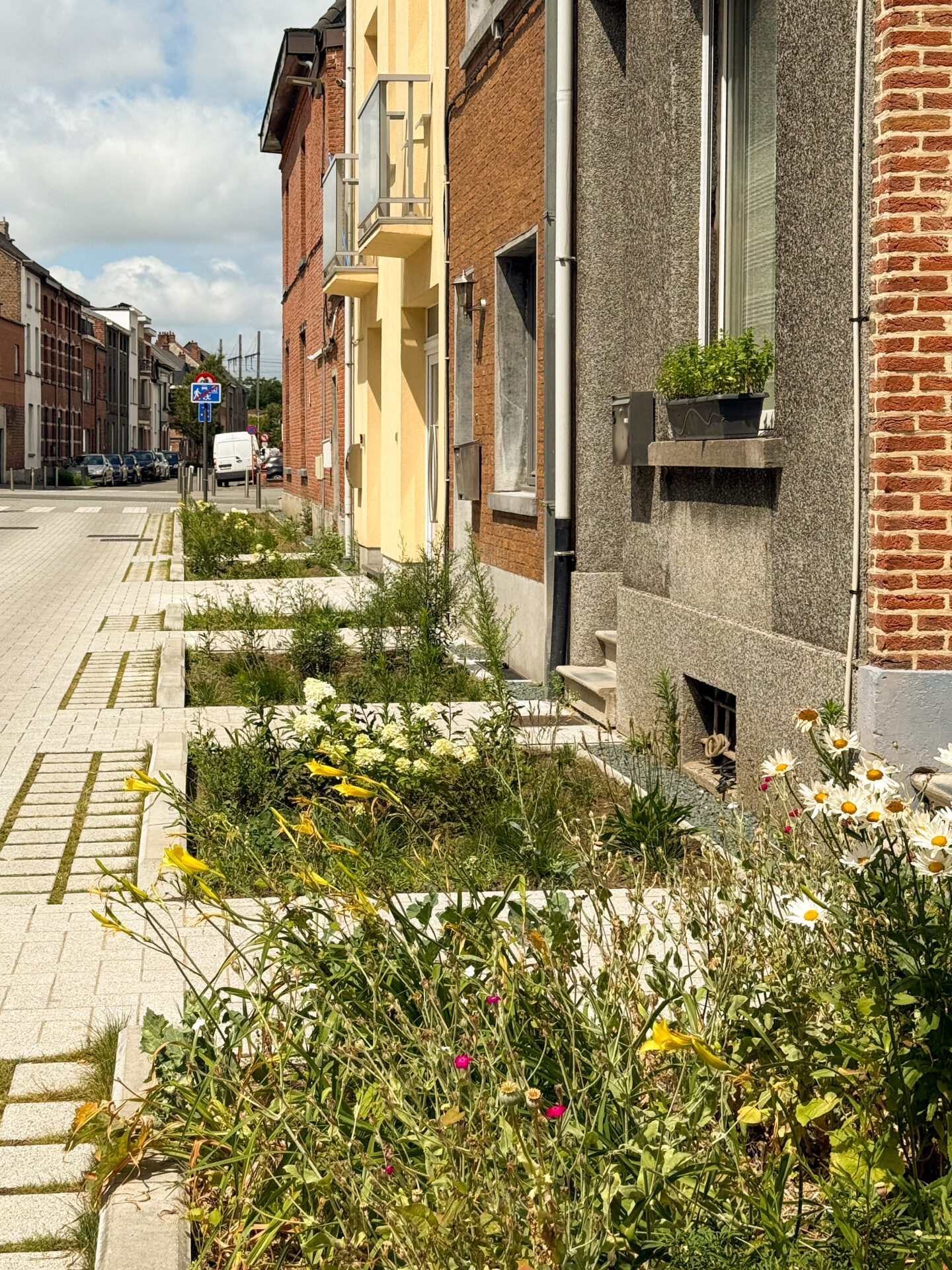
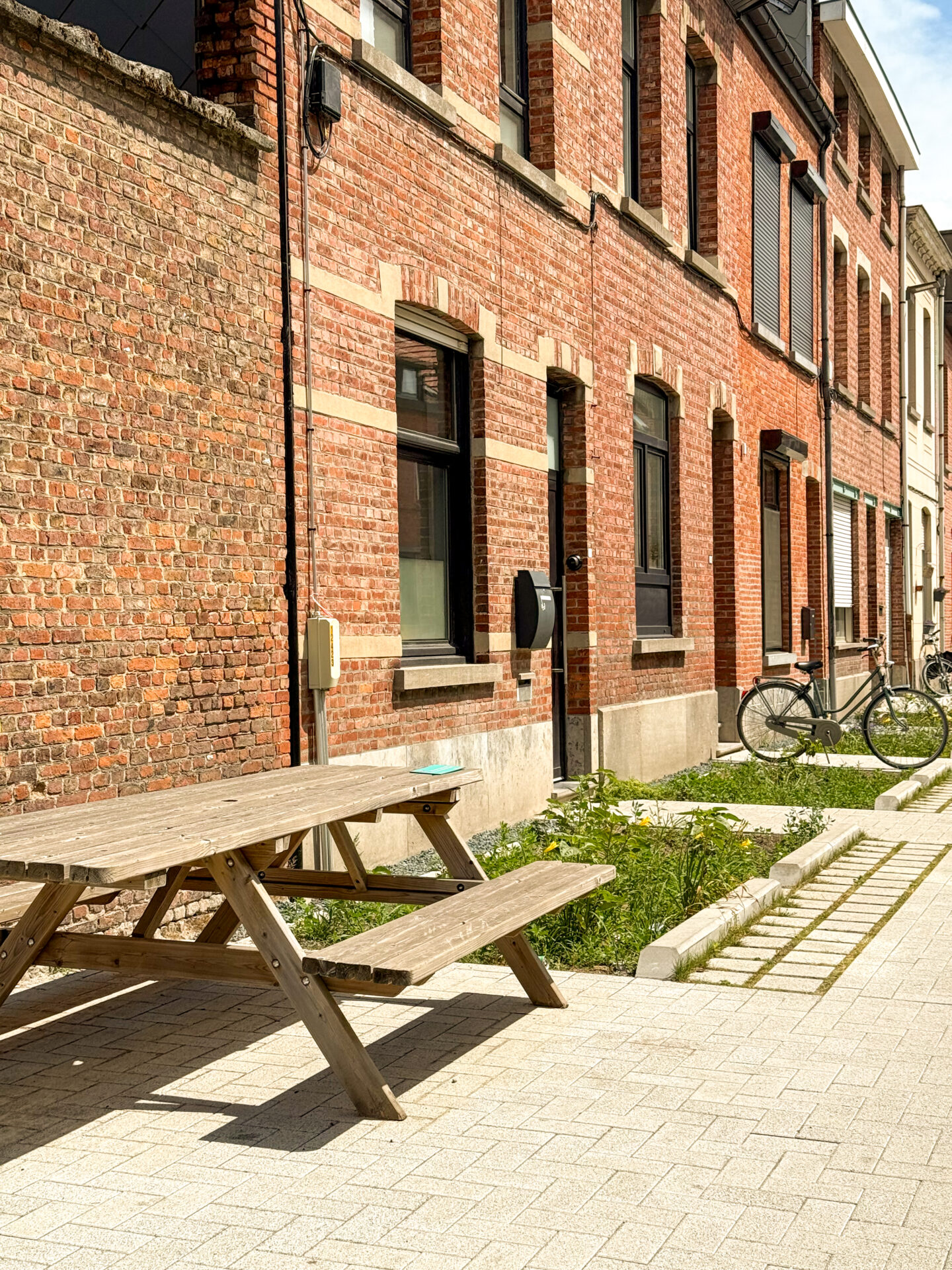
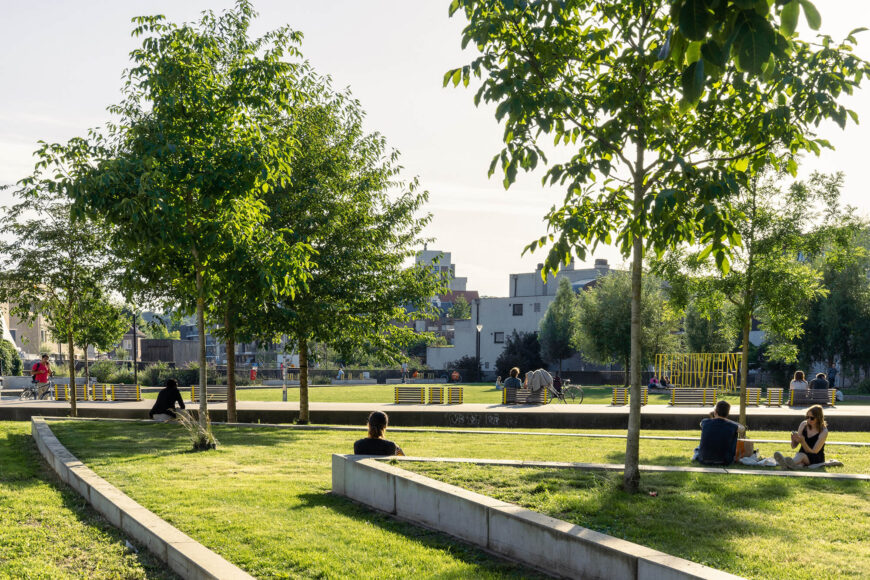
Paardenkerkhofstraat’s transformation reflects Mechelen’s vision for a sustainable, liveable city, combining climate-adaptive design with improved comfort. The redesigned street is cooler in summer, safer for pedestrians and cyclists, and offers inviting spaces to meet, play, and relax, benefiting both the neighbourhood and the city.
With support from Stad Mechelen and Ghent University, weather stations monitor climate (air temperature, solar radiation, humidity, wind speed, precipitation) data to assess the impact. Once a heat island hotspot, the street now offers a cooler, more comfortable environment.


A total of 800 m² of paving was removed and replaced with grass concrete tiles, while 45 new trees and larger planting areas were added. Permeable parking spaces improve water infiltration, and a shared 10,000-litre rainwater cistern was installed to supply water for maintaining the greenery, benefiting both city services and local residents.
In 2026, follow-up measurements will evaluate how the redevelopment has improved the microclimate, reinforcing Mechelen’s pioneering role in street-level climate adaptation. The Paardenkerkhofstraat approach now serves as a citywide blueprint for climate-resilient, people and nature-friendly public spaces.