
February 2, 2026 Knowledge
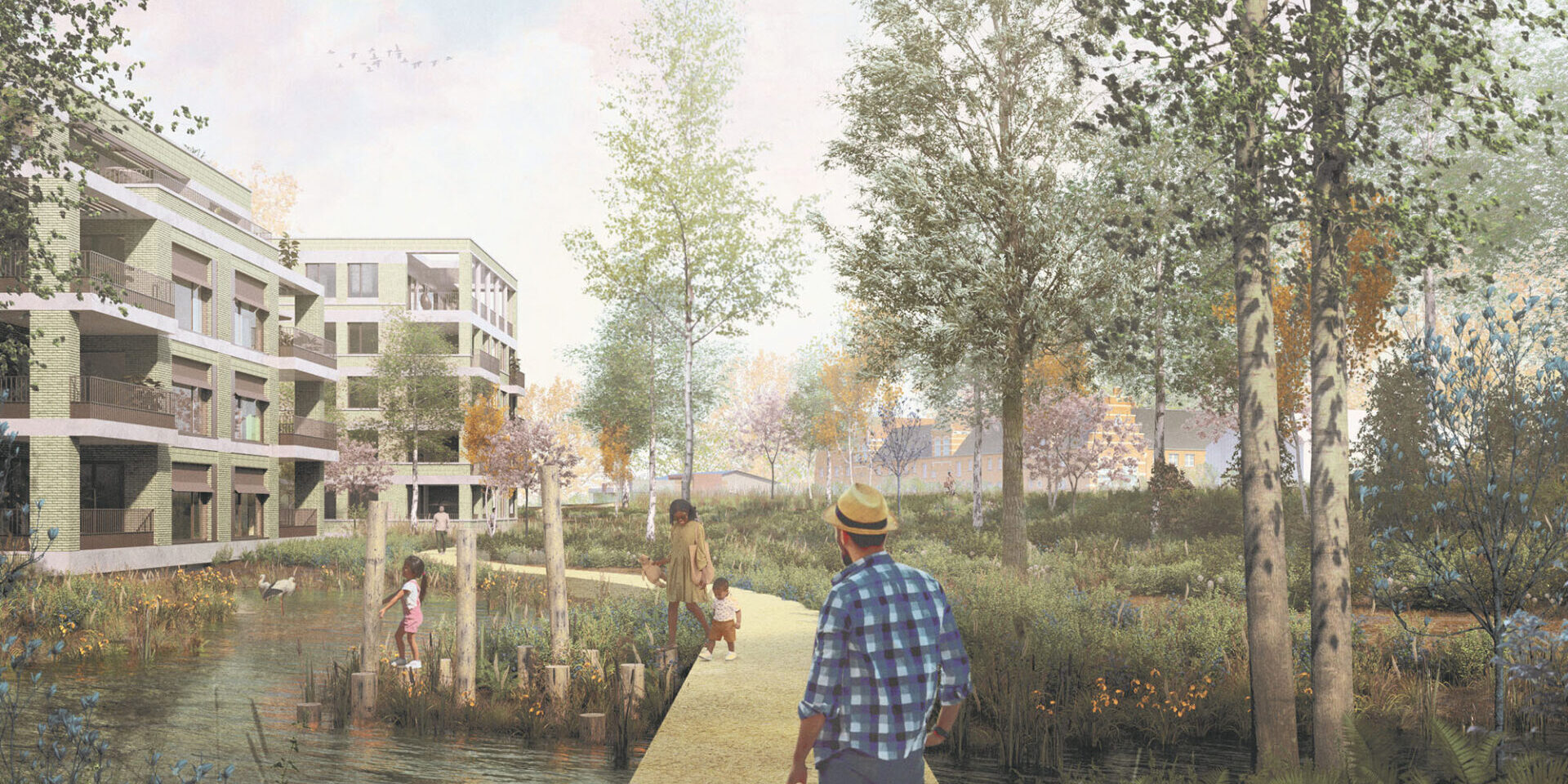
Strengthened by the UN’s recognition of the day, this moment fuels worldwide awareness and action for wetlands, the planet’s most threatened ecosystem. With 90% of wetlands already degraded, this urgency drives our commitment to shape landscapes that directly advance the Sustainable Development Goals by 2030. It also guides our approach of designing cities as natural habitats, places where ecological health and human well‑being are inseparable.
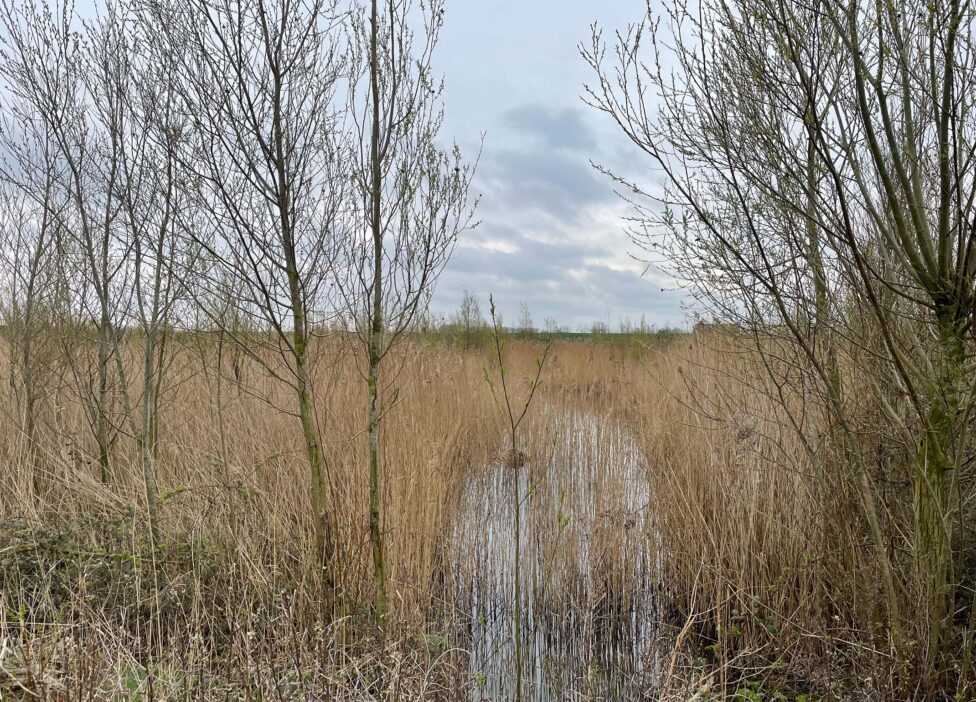
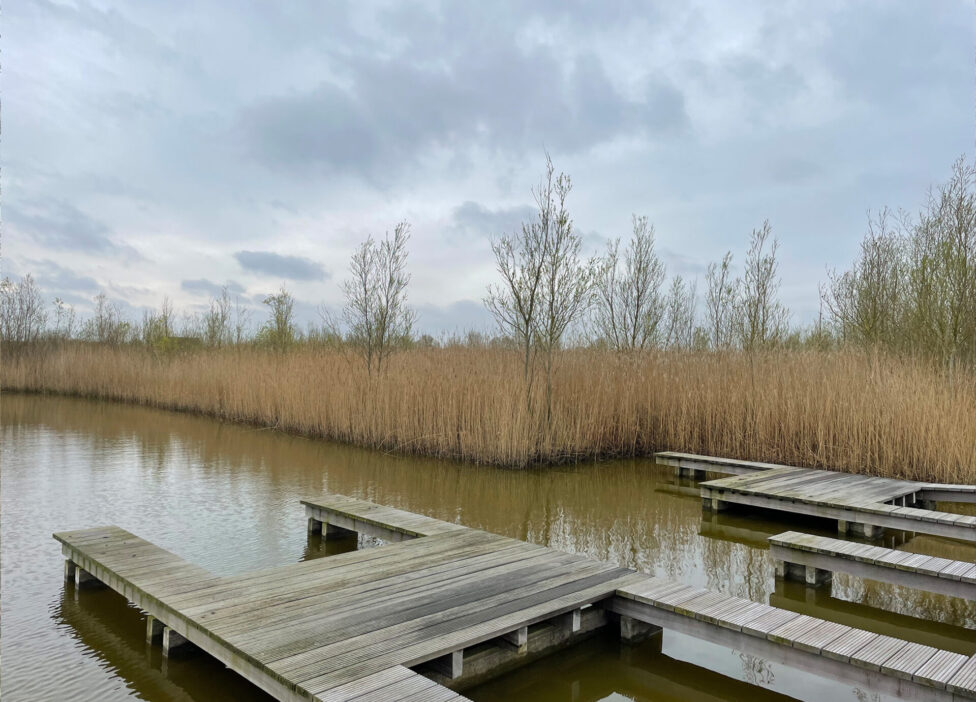
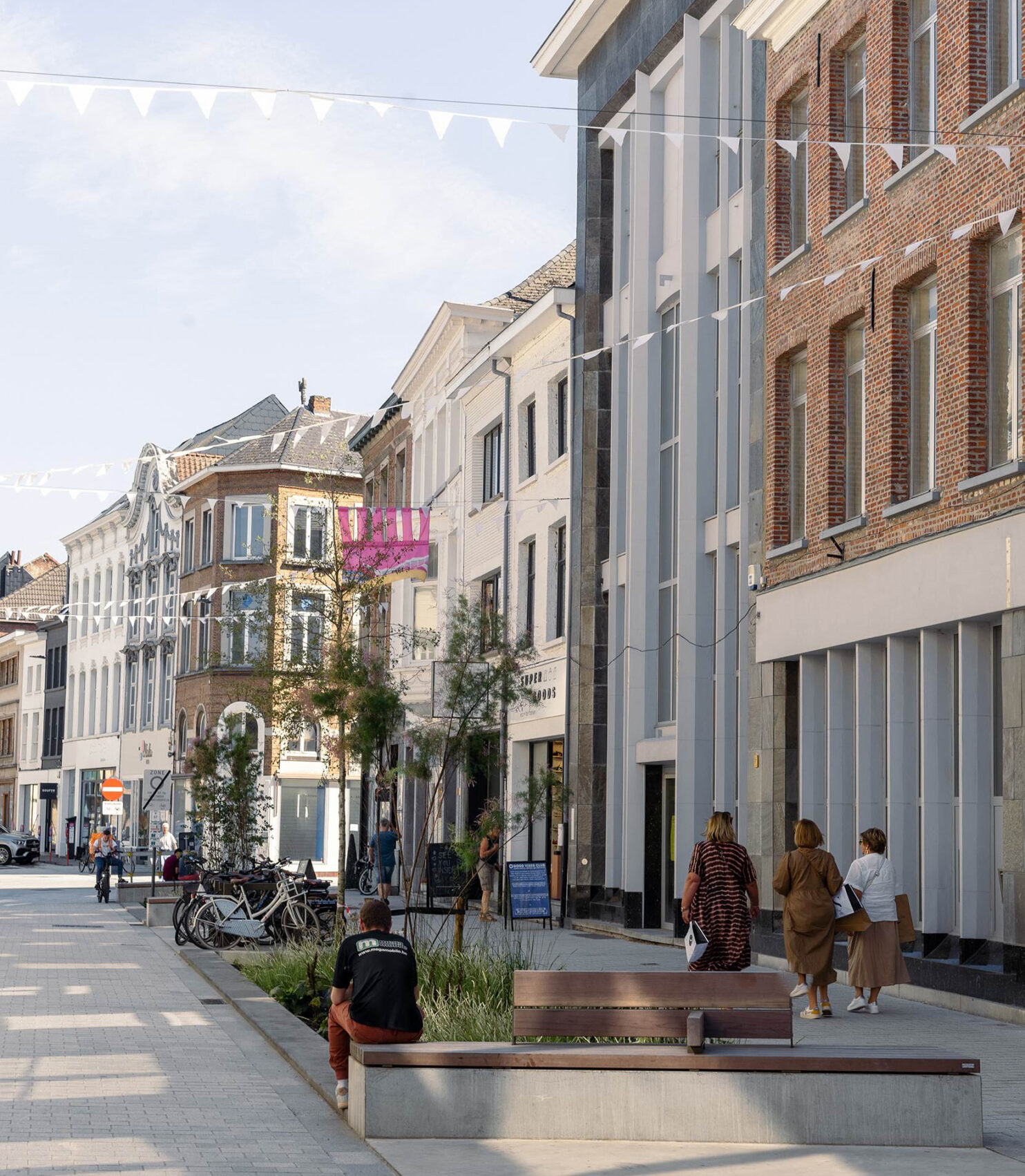
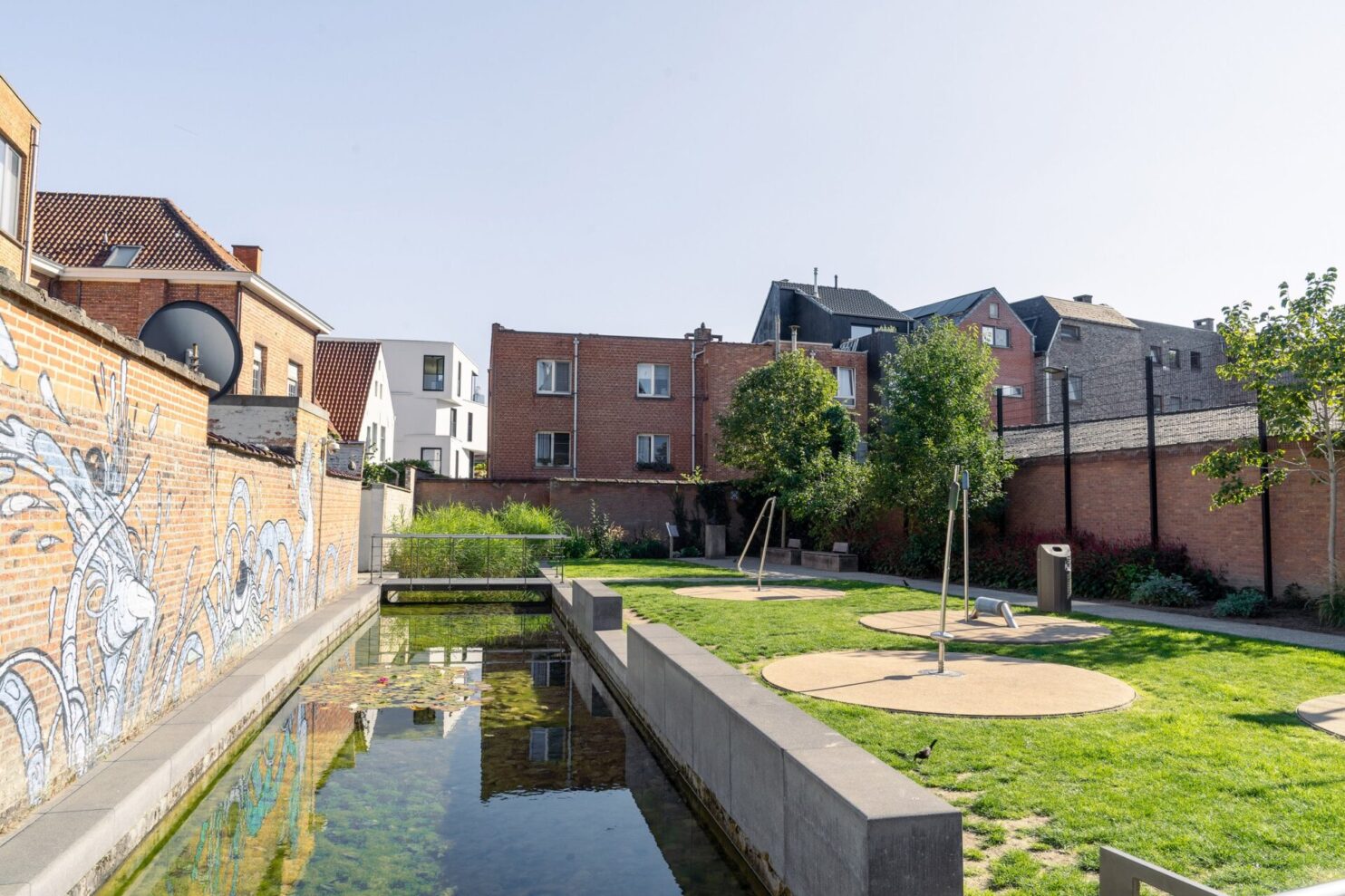
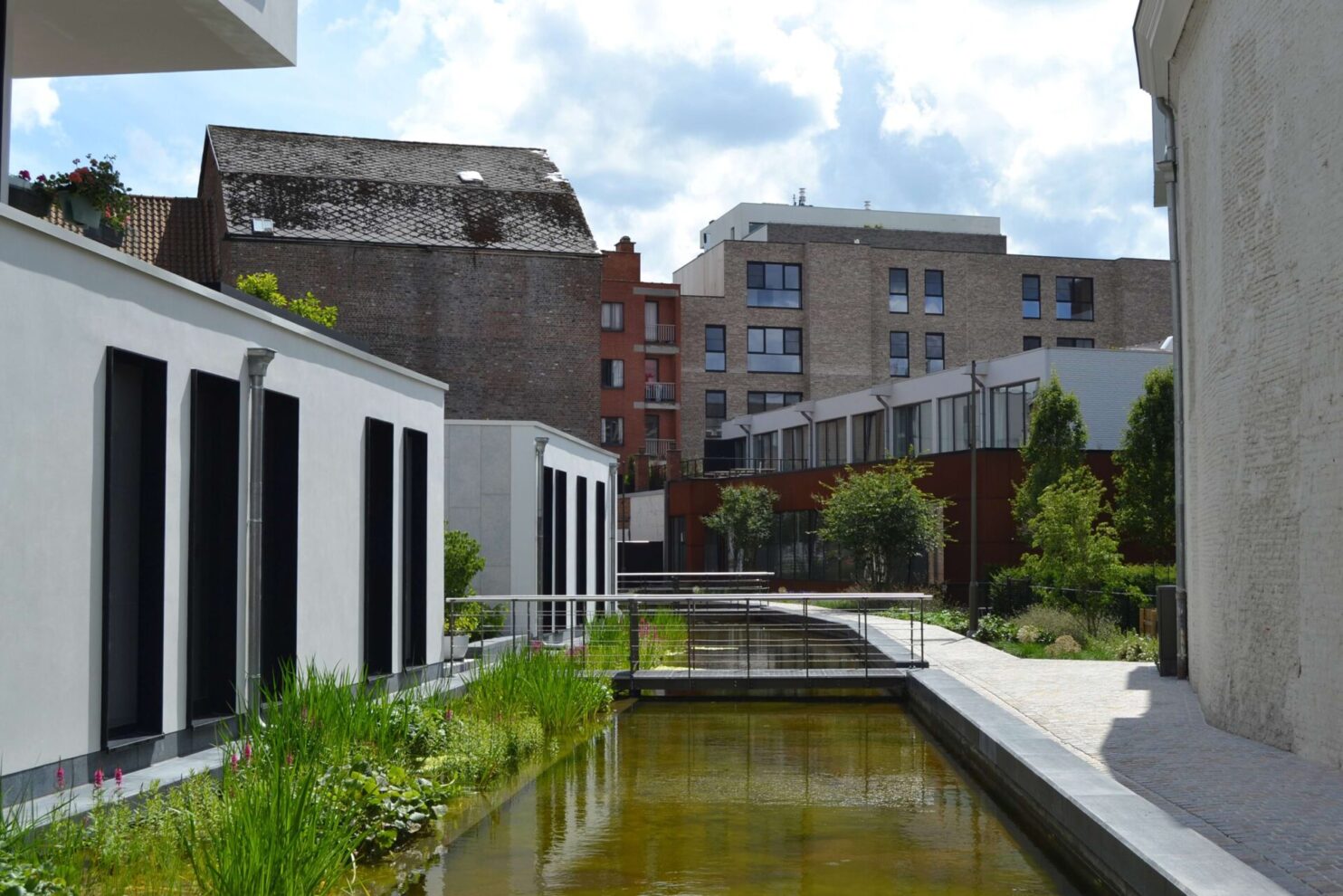
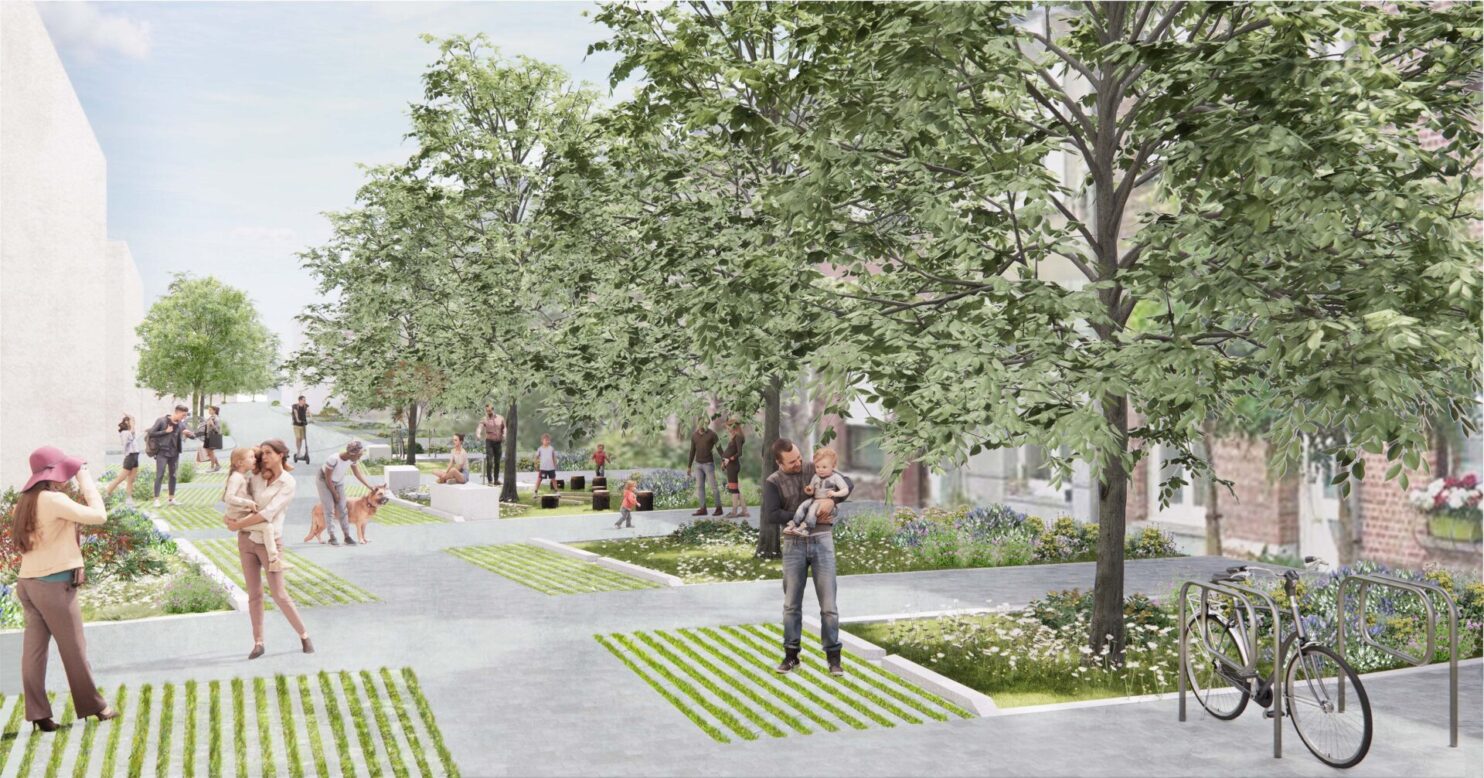
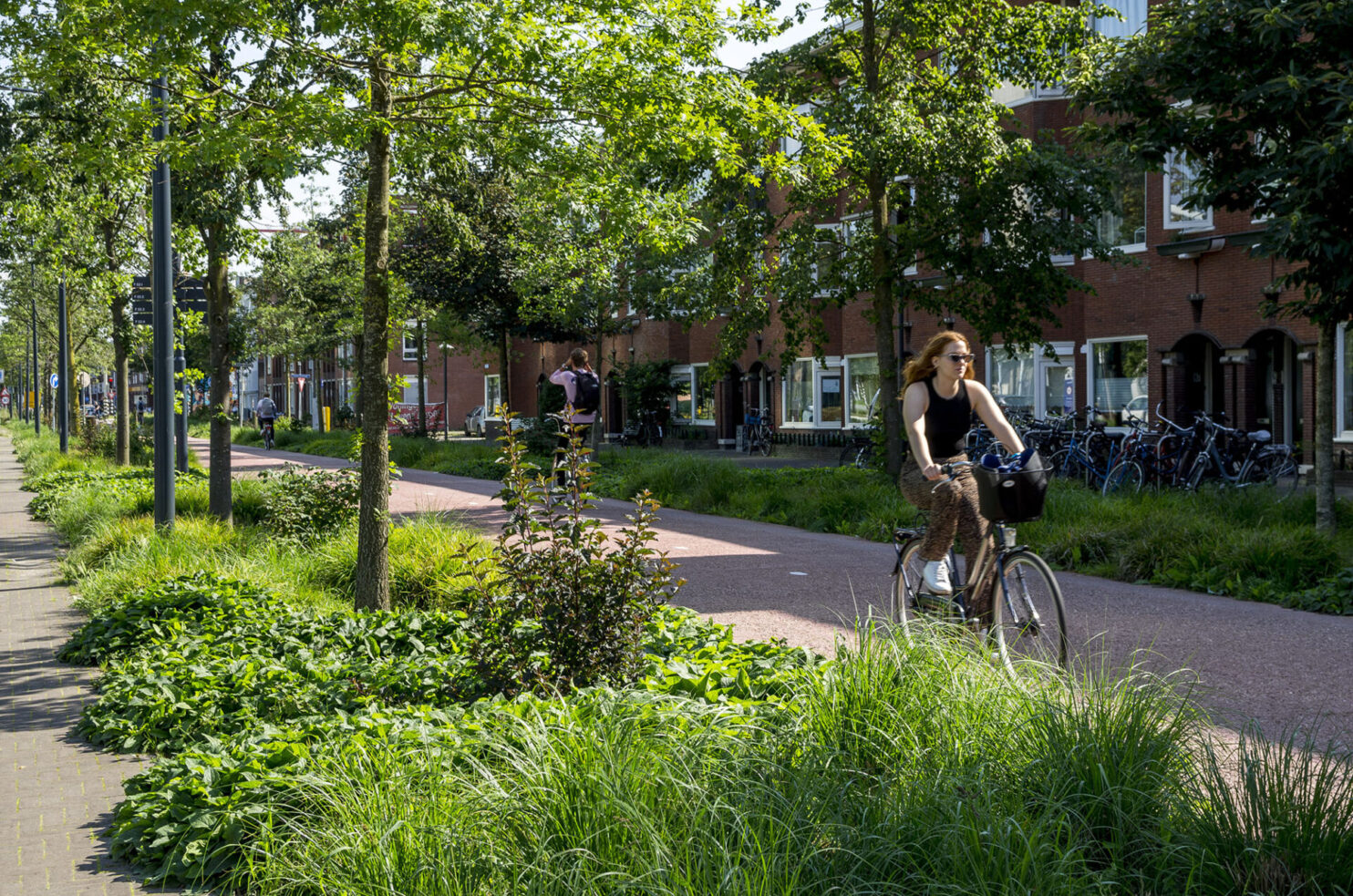
In cities, wetlands appear both as natural systems slowly surrounded by urban growth, and as newly created ecosystems designed within dense urban settings. With a toolbox of small-scale wetland interventions such as narrow urban streams, canals, ponds and lakes in parks, rain gardens, and bioswales, among others, we create synergies in our designs that function as an interconnected system, proving that even the smallest wetland can play a powerful role in the health of a city.

We leverage the vital functions of these indispensable urban wetlands—from water buffering and flood prevention to air filtration and temperature regulation—to anchor the role of biodiversity in designing climate-resilient cities.
A green infrastructure approach to wetland restoration focuses on bringing back the natural systems that have been converted or degraded. By repairing physical, chemical, and ecological processes, and reintroducing native species, restored wetlands regain their ability to strengthen climate resilience.
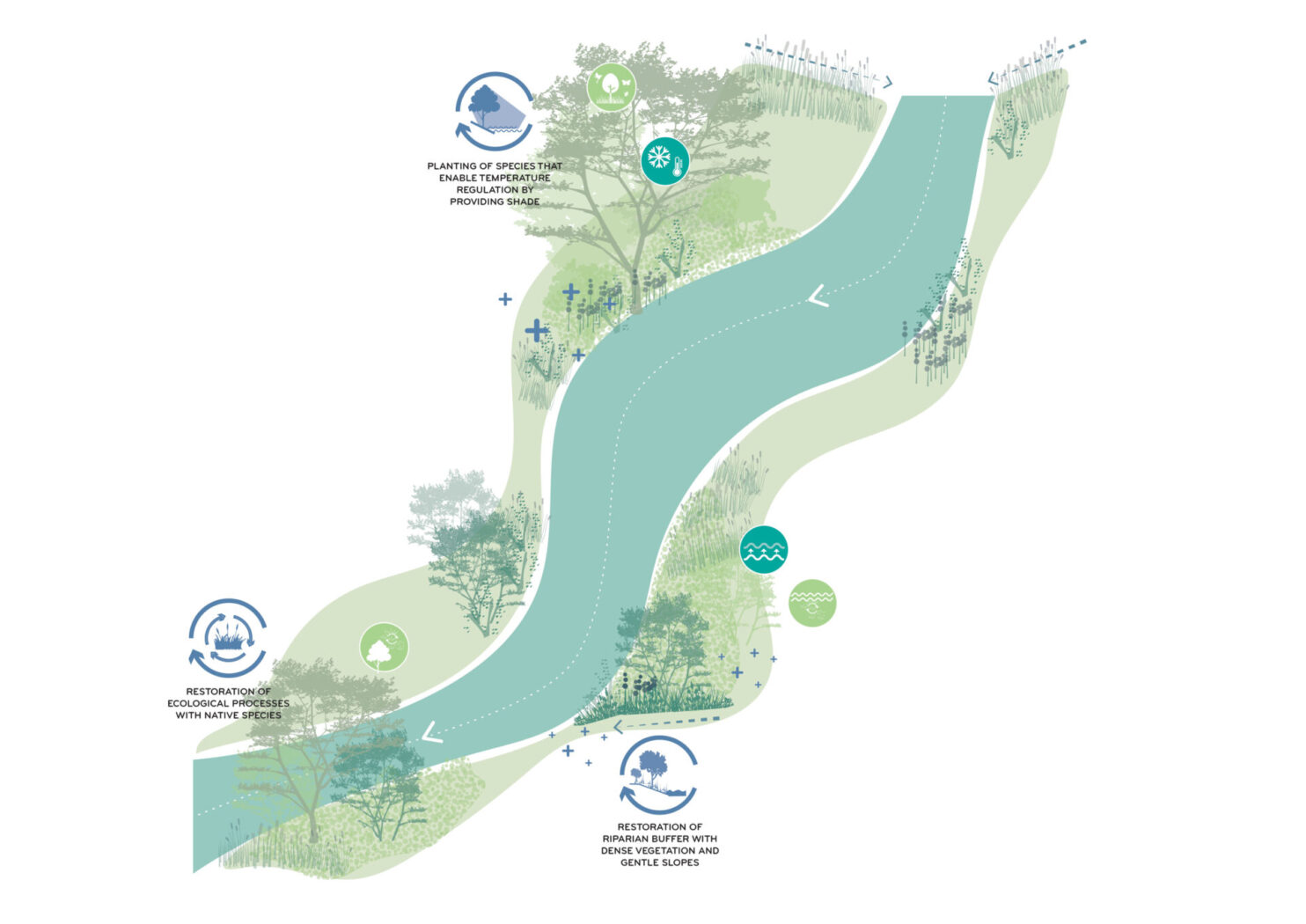
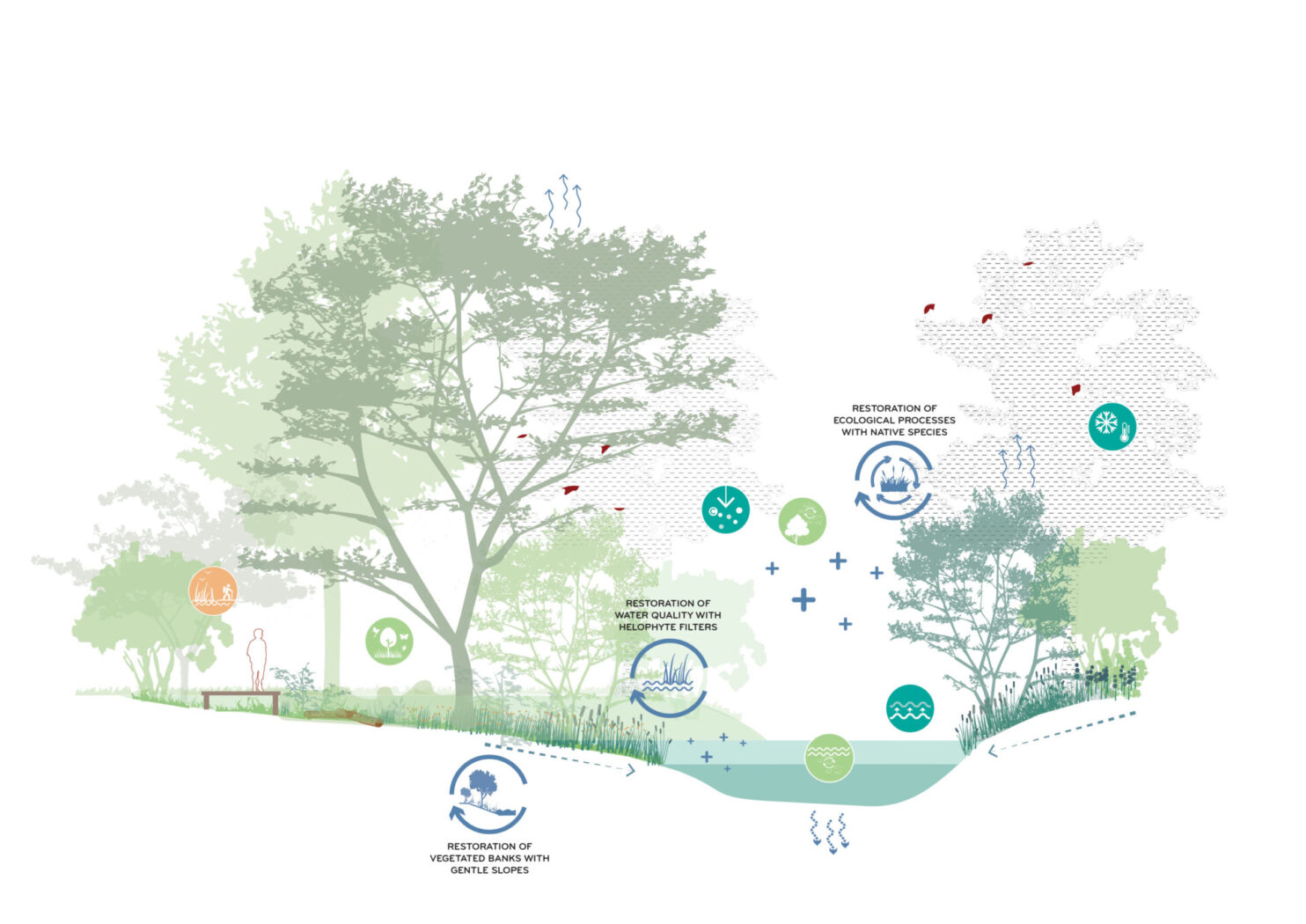
River restoration begins at the edges, focusing on creating vegetated zones along riverbanks that prevent pollution of rivers, reducing run-off from agricultural land to aquatic ecosystems. By planting species that provide shade, these buffers help regulate temperature and protect ecosystems from thermal stress. Native vegetation plays a central role, ensuring the restored river edges strengthen local biodiversity.
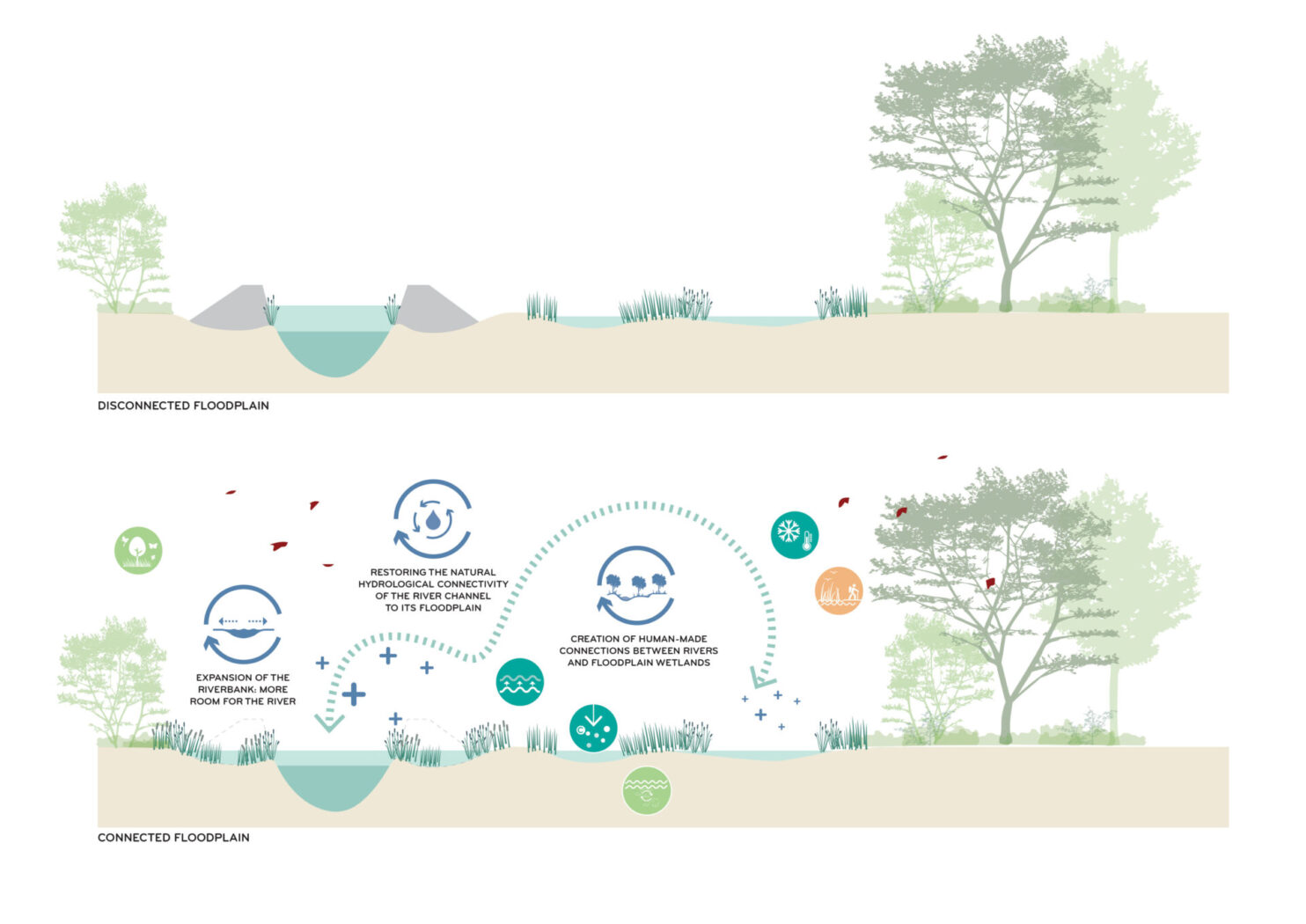
Floodplain restoration focuses on giving rivers back the space they need for water retention. After years of pressure from urbanization, river channelization, and land drainage, many floodplains have been cut off from the rivers, weakening both ecosystems and flood protection. Restoring connectivity involves physically reshaping or removing barriers (embankments) so that water can once again flow from the river into the floodplain wetlands, whether naturally or through newly created channels.
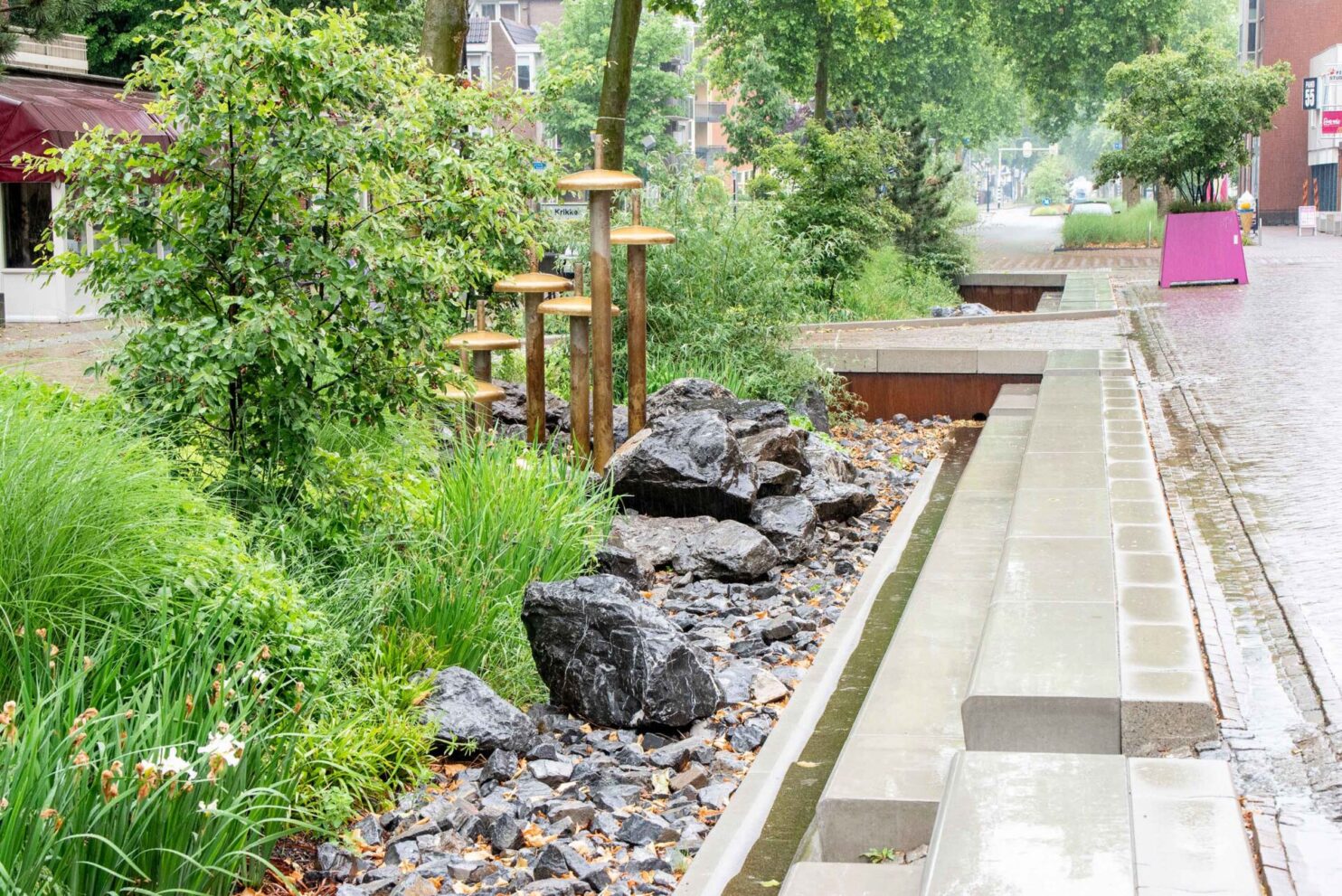
WSUD is a holistic approach that treats stormwater as a resource, designing systems that mimic the natural water cycle to keep excess water out of waterways. By using green‑blue infrastructure such as sustainable drainage systems (SuDS), WSUD utilizes rainwater in ways that benefit both cities and ecosystems. Its core principles—attenuation to hold and release water gradually, infiltration to replenish the ground water table, and conveyance to move runoff slowly—adopt a systemic approach to water management by designing an integrated system of wetlands.
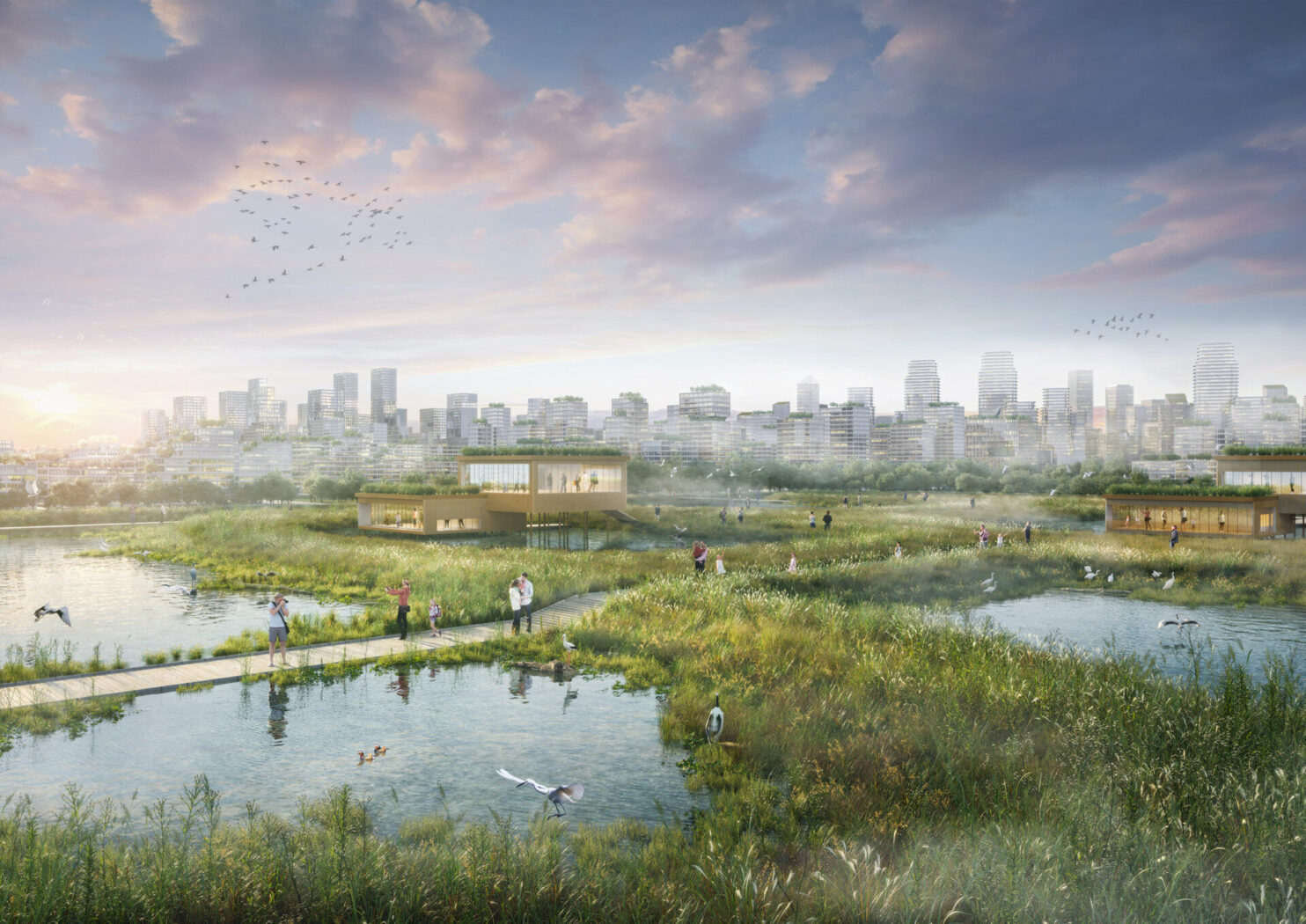
” We approach wetlands as both critical ecological systems and powerful design landscapes. These living systems regulate water, climate, and biodiversity, while offering some of the most compelling and dynamic environments to work with, constantly shifting as water levels rise and fall, species populations fluctuate, and the terrain evolves through the seasons.”
— Daan Posthouwer, Ecologist, OKRA
World Wetlands Day reminds us that protecting these vital ecosystems is everyone’s responsibility. We’re stepping up by deepening our research into urban wetlands and advancing design solutions that prevent runoff, manage water at its source, and use smart conveyance and storage solutions, returning water to nature and thus safeguarding wetlands for future generations.

We prioritize creating environments that allow nature to thrive without the need for constant care. This approach allows us to turn cities into vibrant and healthy ecosystems for people, plants, and animals.

